

STORIES
The Golden Room brought back to light
The restoration of the Golden Room at the Poldi Pezzoli Museum.
A project supported by the World Monuments Fund.
Decorations, furnishings, the marble and bronze window: the Golden Room has changed three times in 150 years. The restoration, carried out with the World Monuments Fund, has regained its original volume and revealed its great marble window.
The project, lasted about a year and a half, has restored the Poldi Pezzoli Museum’s Golden Room, the room that showcases the collection’s Renaissance masterpieces. Performed With the support of the World Monuments Fund, the work has restored the 19th-century volume and recovered the large marble window, which had been hidden under a false ceiling since the1970s.
The new Golden Room has reopened to the public on September 15, 2026.
Click on CC to turn on Italian or English subtitles
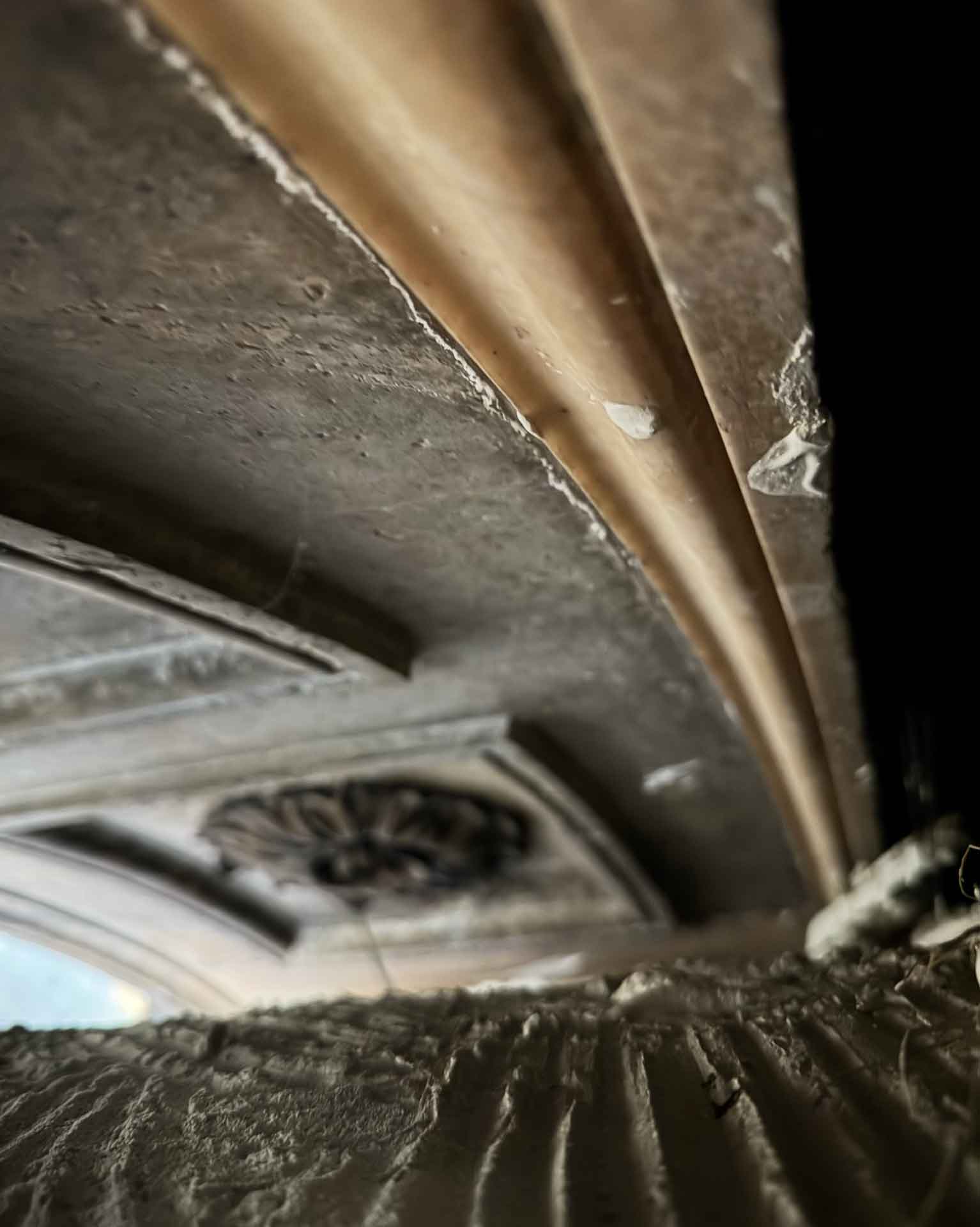
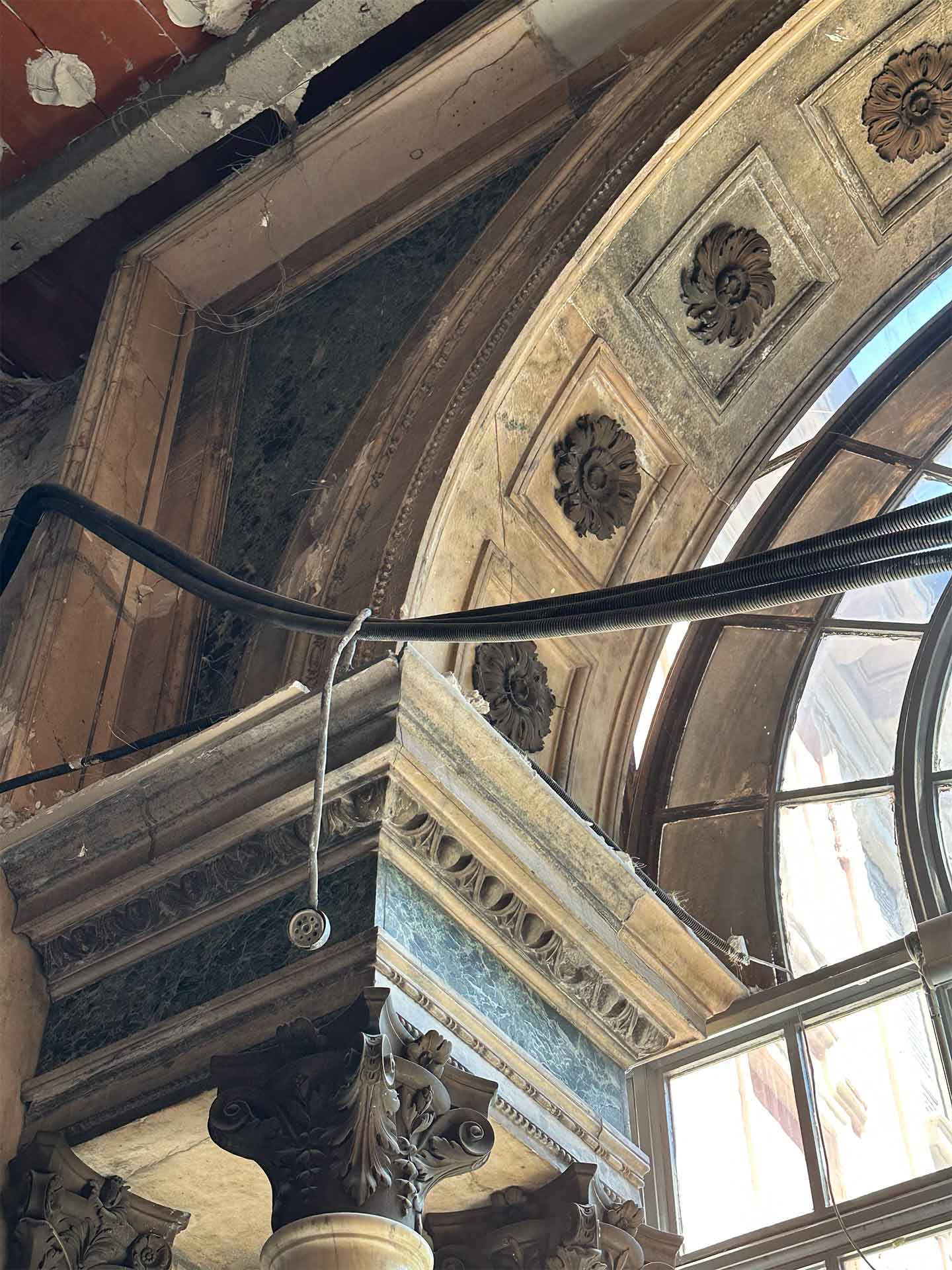
The Golden Room of the Poldi Pezzoli Museum has passed through wartime destruction and three refurbishments. The most recent chapter in this story started from a discovery. In 2005, a video inspection, in behind the false ceiling installed in the 1970s, revealed that part of the 19th-century decoration, the large polychrome marble and bronze window, had survived almost intact.
World Monuments Fund
Founded in 1965 in New York, the World Monuments Fund has become one of the leading international organisations for the preservation of cultural heritage, with a role that combines protection, innovation and the involvement of local communities. It has been in Italy since 1966, with over 100 projects completed throughout the country. The Golden Room project marked the launch of World Monuments Fund Italia, the organisation’s new Italian chapter, and it is no coincidence that the Italian chapter’s first project concerned a house-museum. The Poldi Pezzoli, where the place and the collection form an inseparable whole, is exactly the type of complex heritage on which the WMF has built its international identity.

PART ONE
THE RESEARCH
A house that became a museum
The Golden Room is not just “a room”: it is a part of a larger project, which had already impressed contemporaries in its day. In 1858, the English writer Elizabeth Rigby, the wife of Charles Eastlake, director of the National Gallery in London, visited the home of the young Marquis Poldi for the first time and noted in her diary:
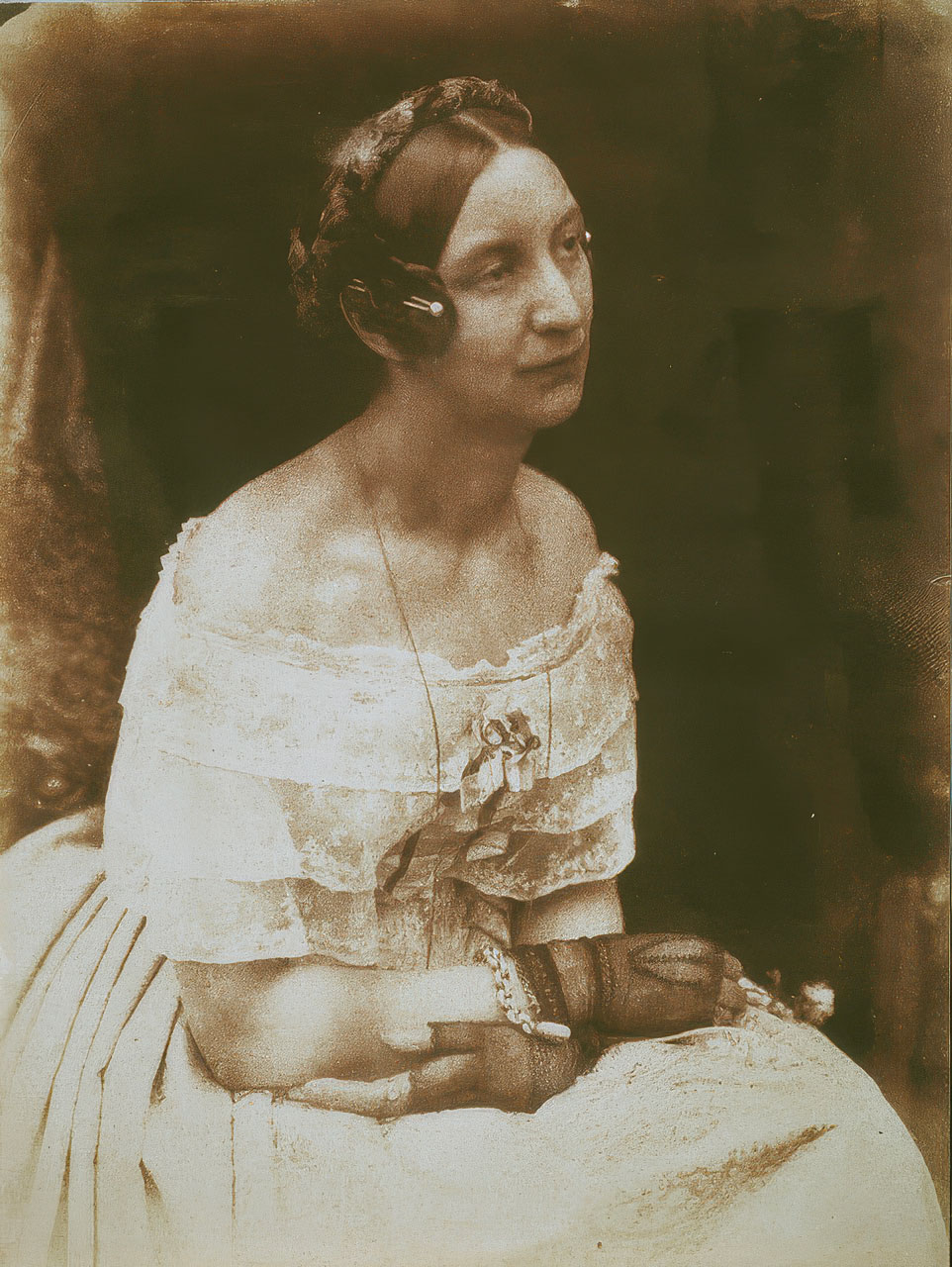
“Truly, no one could imagine anything more sumptuous. The rooms are inlaid with woods of different colours, and contain fascinating paintings, metals, goldsmith’s work, silks, all by Milanese craftsmen who can truly compete with the world.”
Gian Giacomo Poldi Pezzoli (1822-1879) was converting his family apartment into a sequence of “period rooms” in historicist style – the Dante Study was decorated in a 14th-century style, the Black room in an early Renaissance style, the Stucco room in a Rococo style, the staircase in a new Baroque style. These rooms hosted one of the most important collections of Old Masters and works of art in Italy in the 19th century.
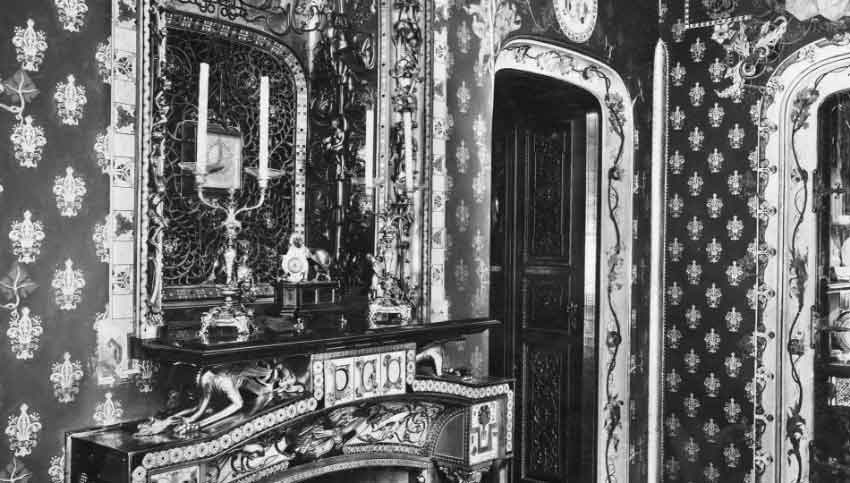
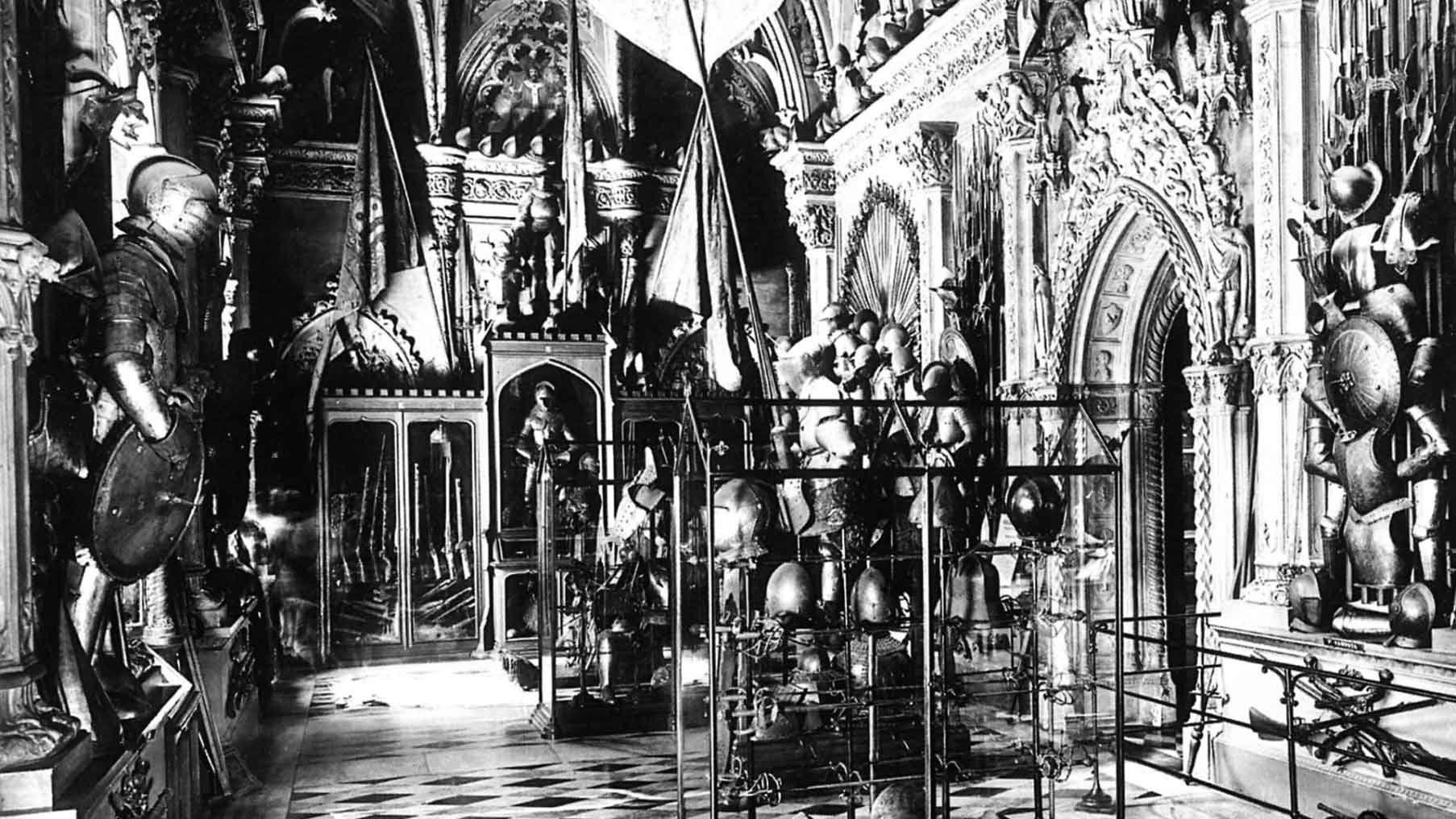
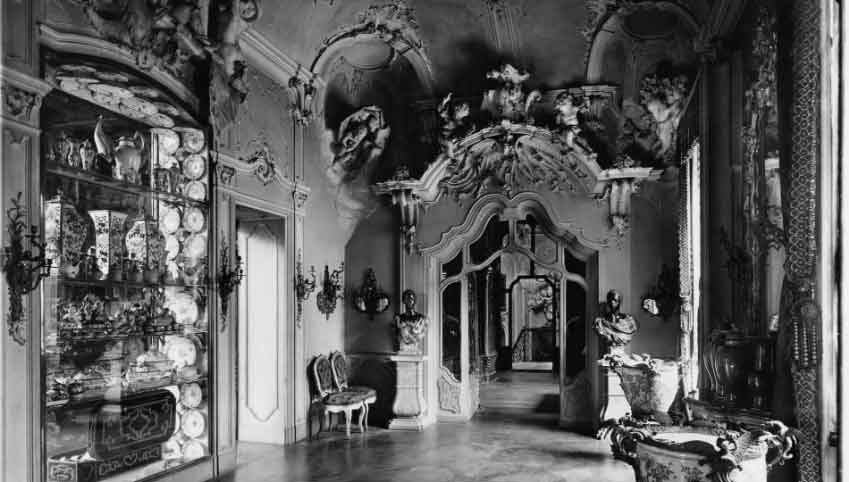
For every piece he purchased, Poldi Pezzoli consulted the most important connoisseurs of the time, from Giovanni Morelli to Otto Mündler, and recorded everything in his notebook, “my private fund”.
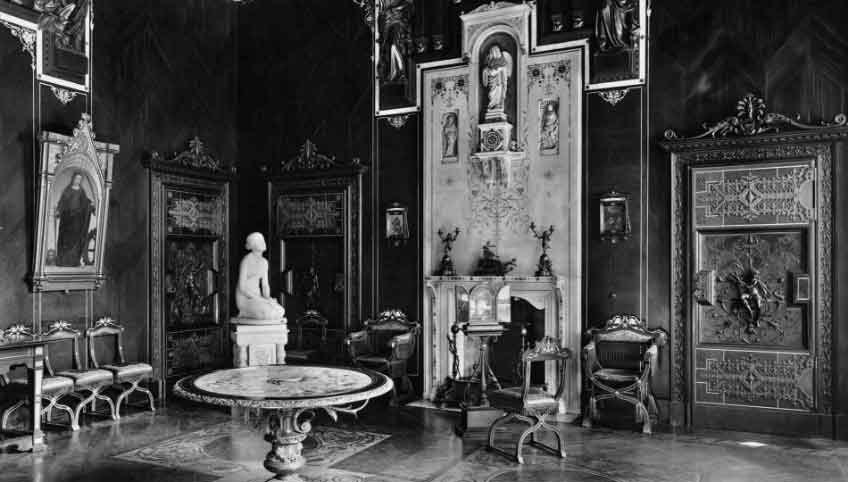
The Golden Room, overlooking the garden, was intended to be the most important room, where display the Renaissance masterpieces of the collection, including works by Botticelli, Mantegna and Piero del Pollaiuolo
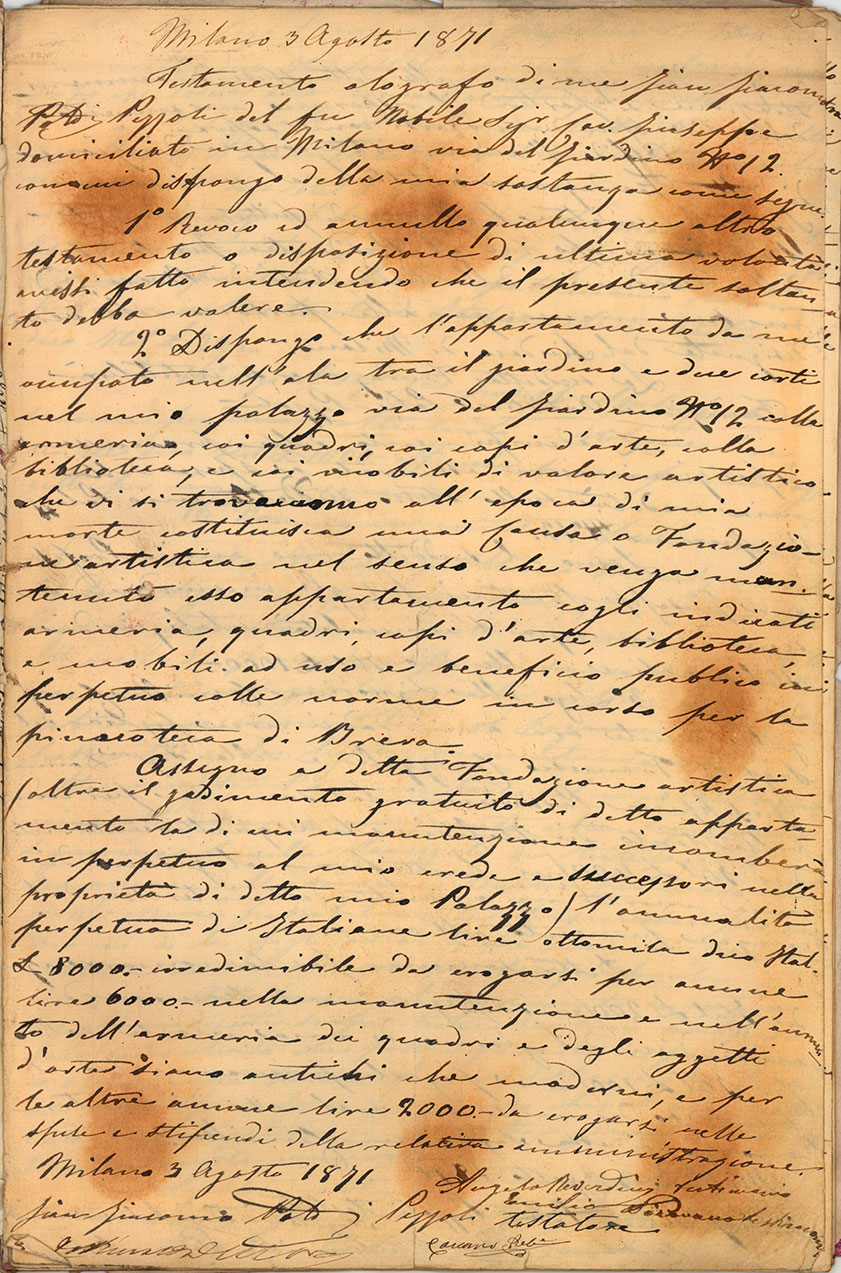
The notebook of GIAN GIACOMO POLDI PEZZOLI, “my private fund”
In his will, dated Milan, August 1871, Poldi Pezzoli wrote the words that would establish the museum:
“I decree that the apartment which I occupy […] together with the armoury, with the paintings, the works of art, the library and the furnishings […] to be maintained for public use and benefit in perpetuity […] And I entrust the administration and management to my friend Giuseppe Bertini.“
Gian Giacomo Poldi Pezzoli, Last Will and Testament, Milan, August 1871
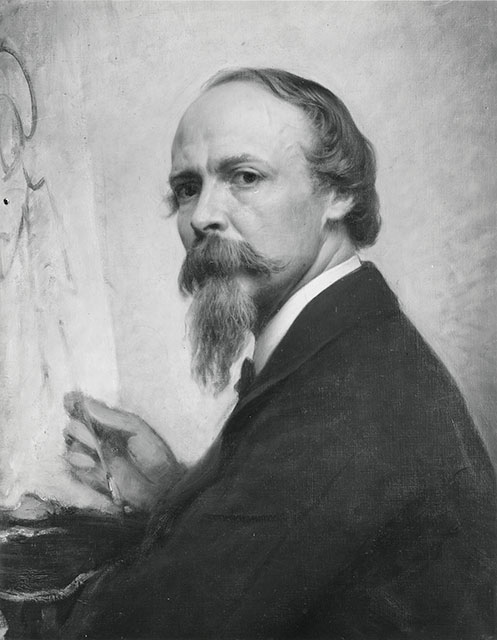
Giuseppe Bertini (1825-1898)
Painter and professor at the Brera Academy, of which he would later become director, Giuseppe Bertini was the friend to whom Gian Giacomo Poldi Pezzoli entrusted the transformation of his own apartment into a house museum, leading from 1874 a team of decorators that included the painter Luigi Scrosati, the bronze craftsman Giuseppe Speluzzi, and the sculptor Lorenzo Vela.
In his 1871 will, Poldi Pezzoli also entrusted him with the administration and direction of the future foundation: it will be Bertini who, in 1881, opened the museum to the public, and who directed it until his death in 1898, when the direction passed to the architect Camillo Boito.
Giuseppe Bertini’s project
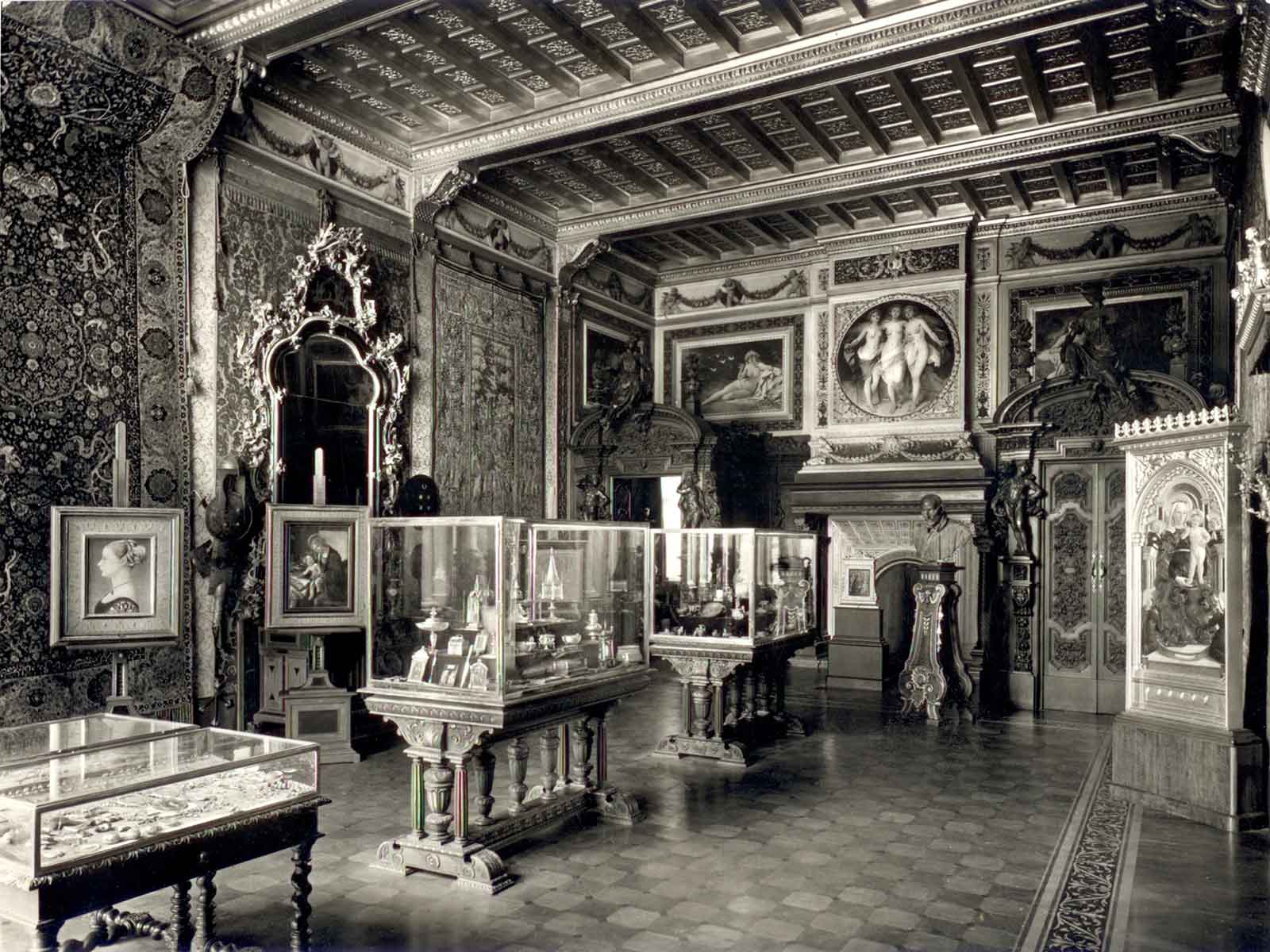
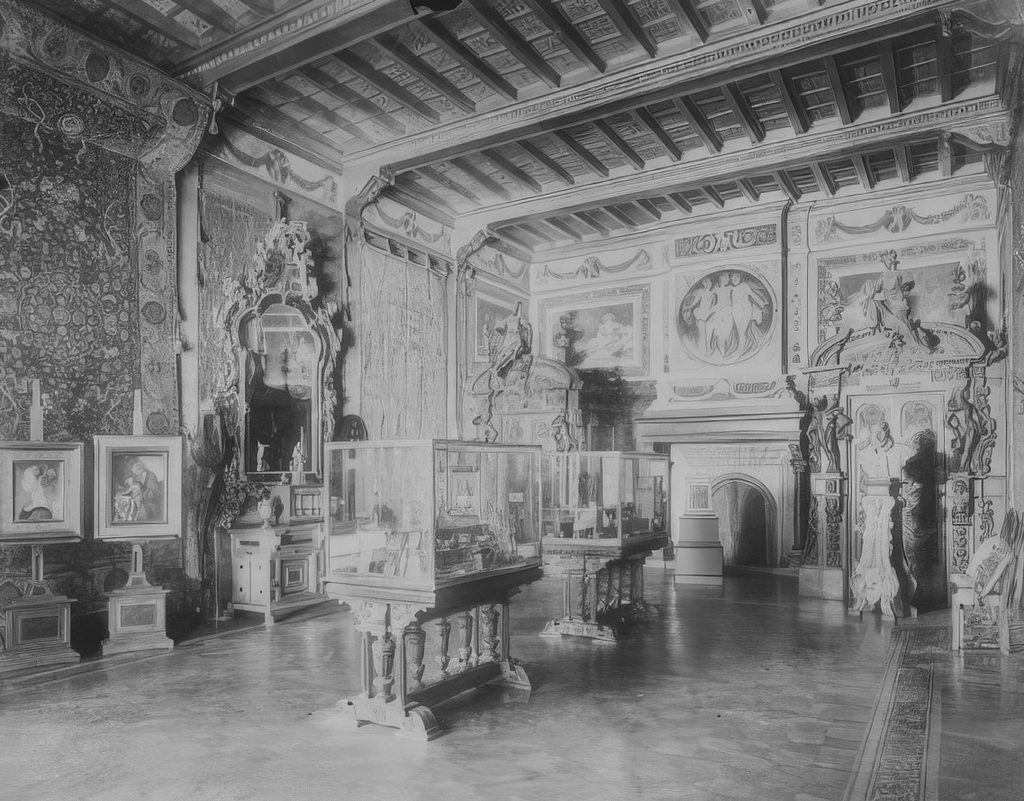
The decorative project of the room, entrusted to Giuseppe Bertini (1825-98) and carried out between 1874 and 1881, is described in detail in the “Description of the Rooms that form part of the Poldi-Pezzoli Artistic Foundation”, drafted for the Museum’s Trustees:
“
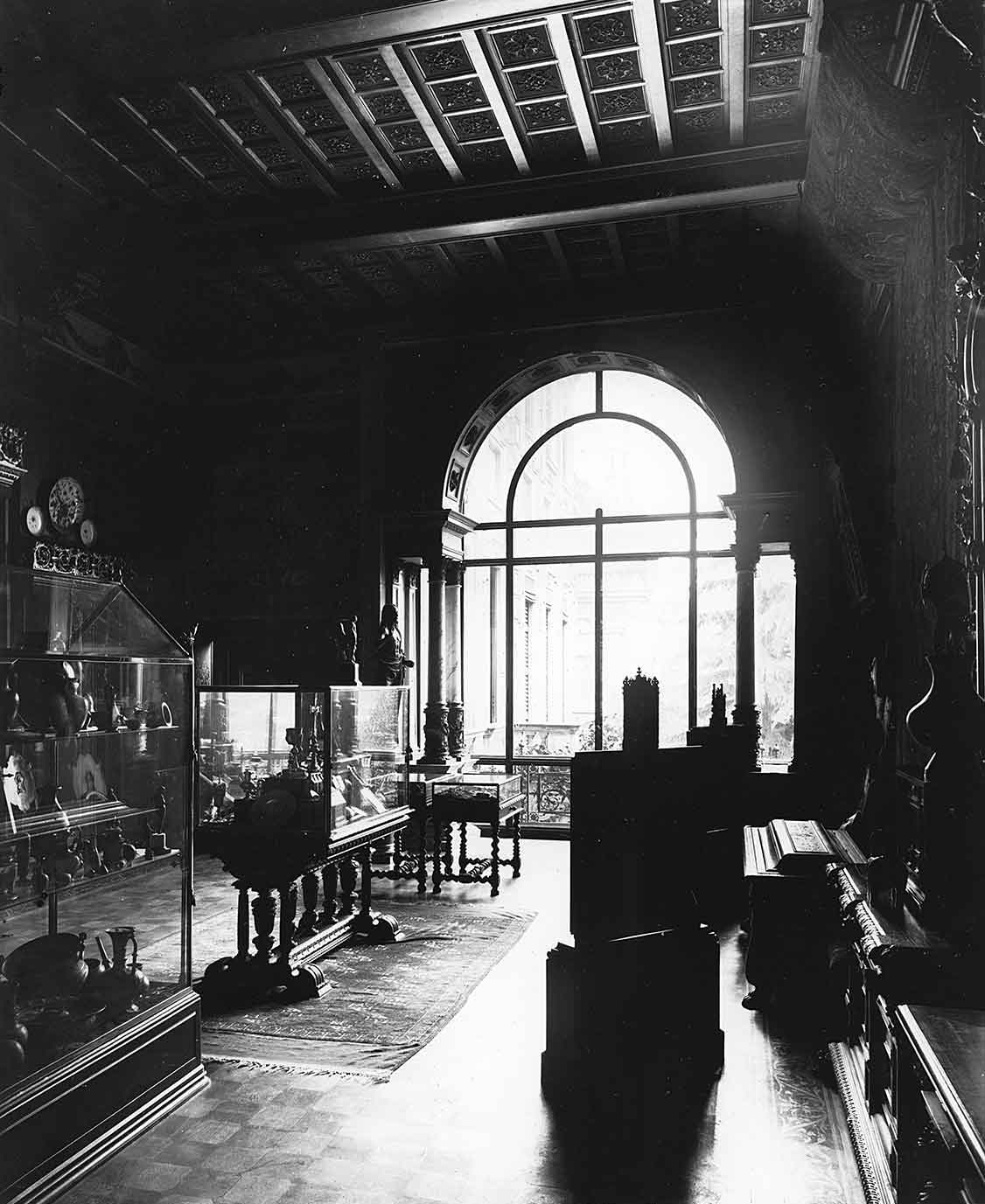
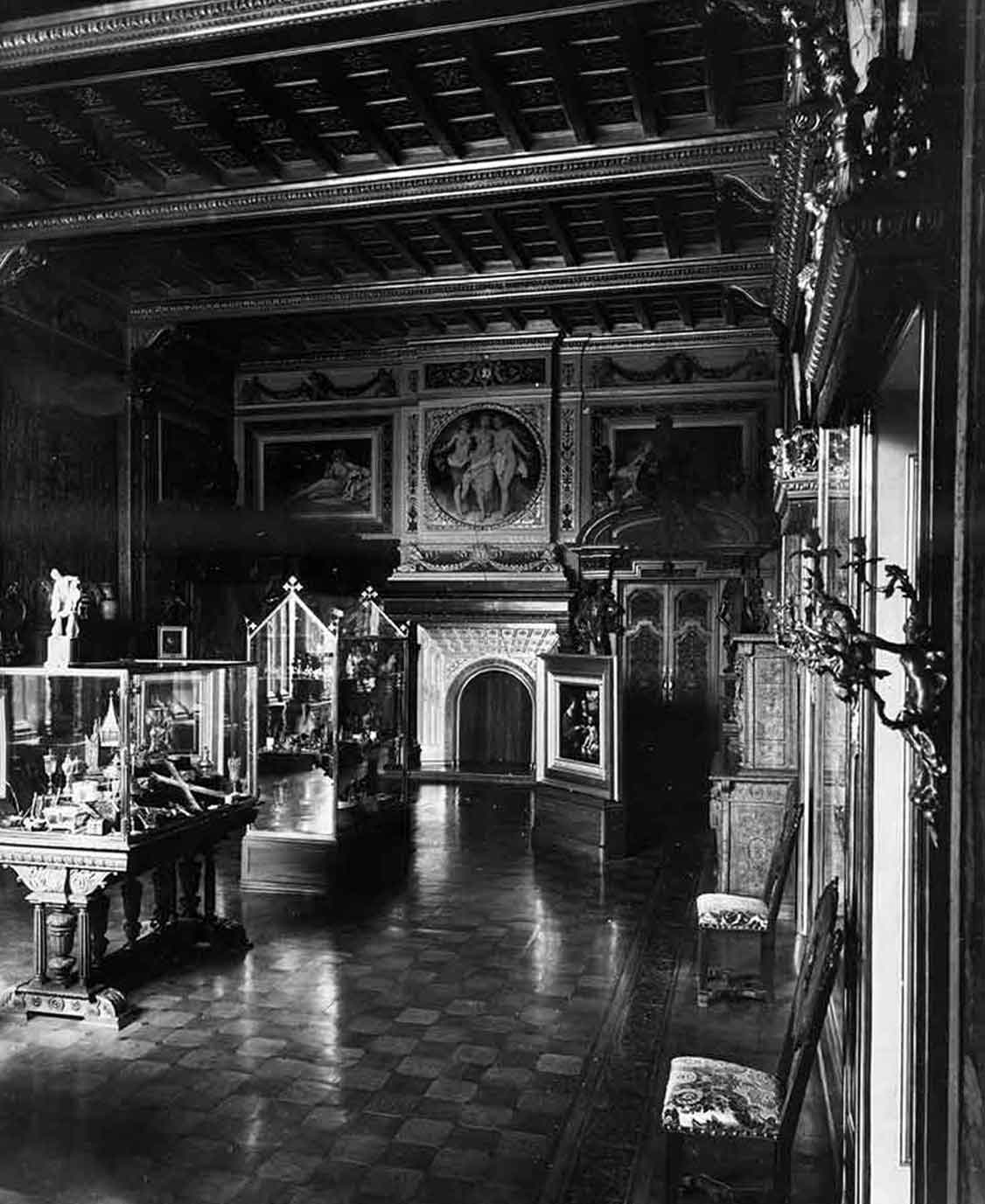
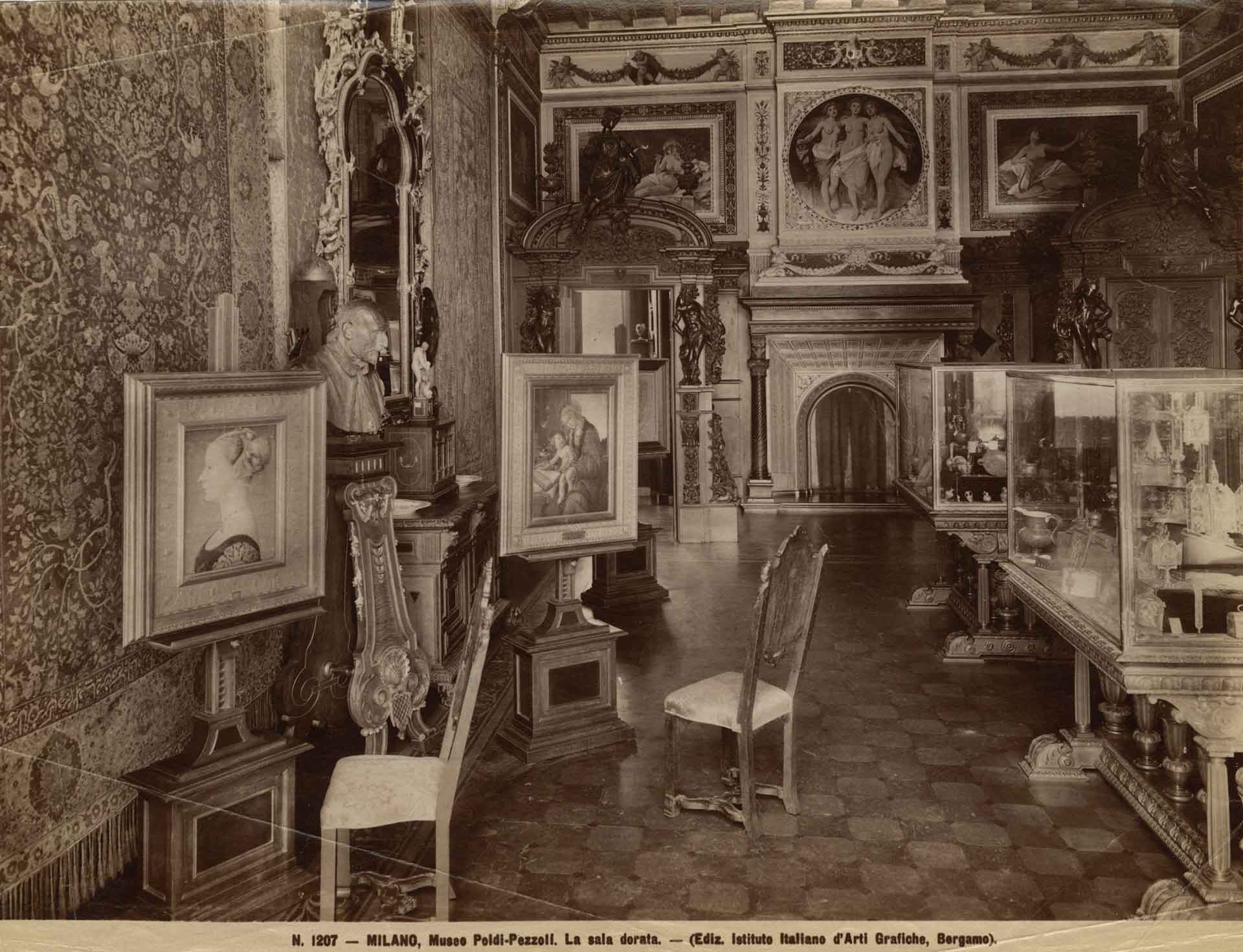
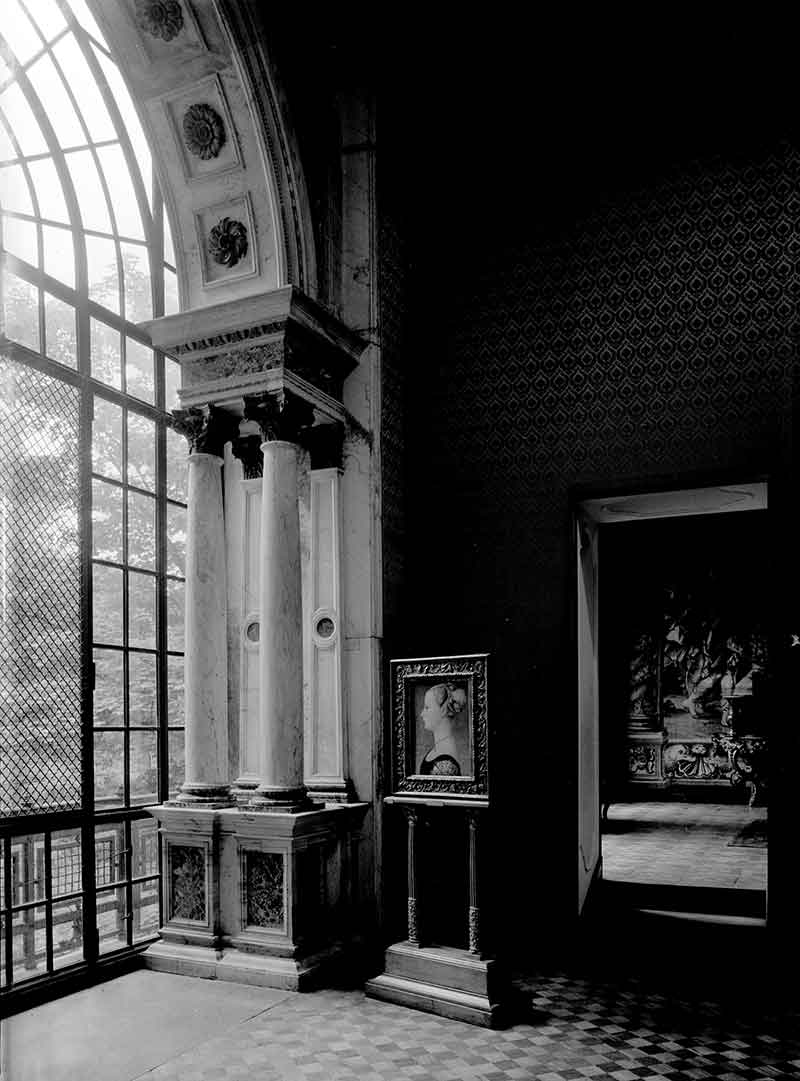
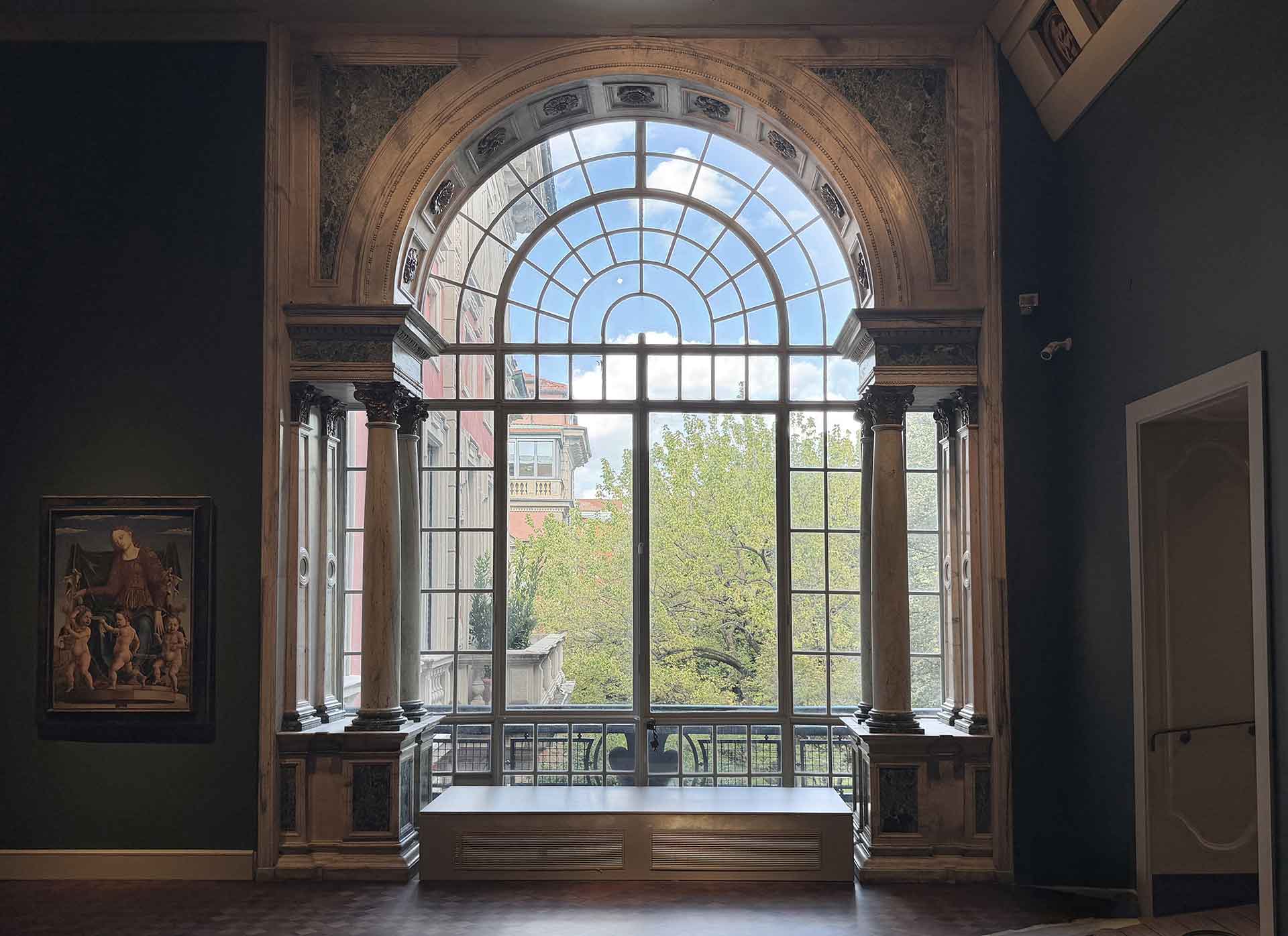
A gilded wooden ceiling in the ducal style, divided by four parallel beams with richly carved corbels. The frescoed frieze with putti and festoons of flowers and fruit was surmounted by a gilded wooden cornice, and the walls […] were adorned by yellow damask silk fabrics. The large architectural window in a Renaissance style overlooking the garden was enclosed by two marble jambs rising from a granite base, with four Ornavasso marble columns and a barrel-vaulted archivolt […]; the bases and capitals of the columns were covered with Florentine bronze, while the shafts of the columns were made with pavonazzo marble from Siena.“
The document continues with details that do not appear in historical photograph. In the right-hand corner of the Serlian window was a wall-mounted showcase with an ebony frame, natural mahogany doors and ebony moulding, an English lock with an oxidised bronze plate and a small drawer with gilded bronze knobs; on the left side, an opening connected the Salon with the Black room, whose embrasures were lined with the same yellow damask of the salon.
Description of the rooms that are part of the Poldi-Pezzoli Artistic Foundation, Giuseppe Bertini
Six elements, a single design: the gilded ceiling, the painted frieze, the walls lined with damask silk, the large marble window, the bronze parapet and the corner showcase formed a single decorative apparatus, designed — like all the rooms of the house — to frame the masterpieces on display.
Construction of the Serlian window
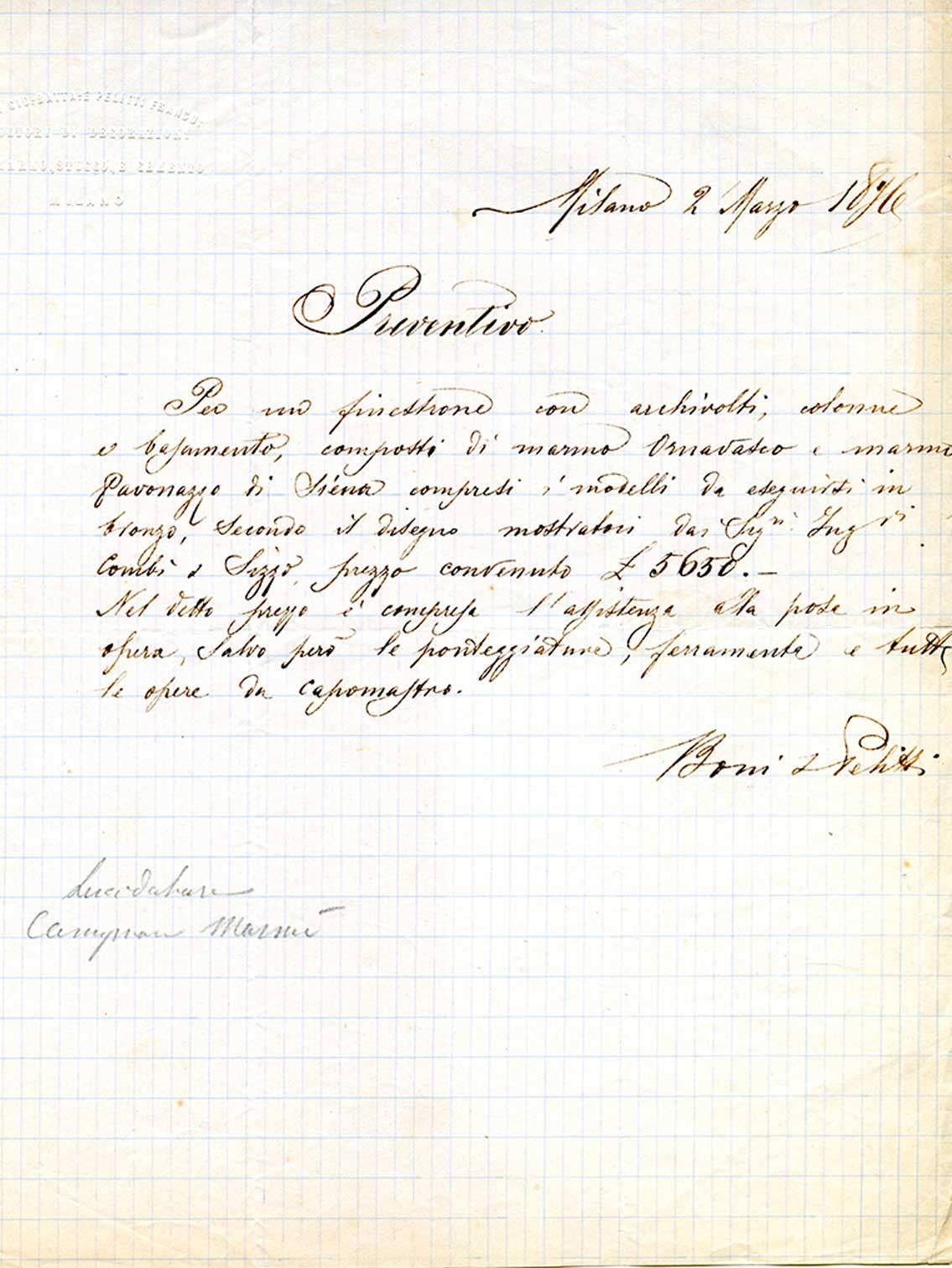
The original documents relating to the construction of the Serlian window, the only window in the room, have survived. On March 2 1876 the sculptors Boni and Pelitti presented an estimate of 5,650 lire for “a large window with archivolts, columns and base, made with Ornavasco marble and Pavonazzo marble from Siena.”
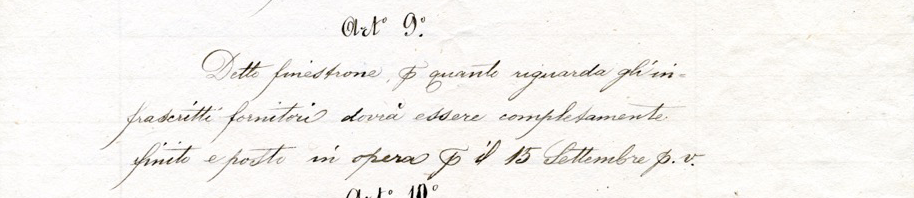
Three weeks later, on March 23 1876, the contract signed on behalf of Giuseppe Speluzzi set the final price at 5,300 lire; negotiations reduced the estimate by 350 lire and imposed eleven articles: the client had the choice of the marbles, the suppliers had to present a plaster model on a 1:1 scale before proceeding, any defective pieces had to be replaced at the suppliers’ expense, payments were to be made in three instalments. Article 9 set the deadline for 15 September of the same year, with a penalty of 200 lire for each week’s delay.
The contract signed on behalf of Giuseppe Speluzzi for the Serlian window, 23 March 1876
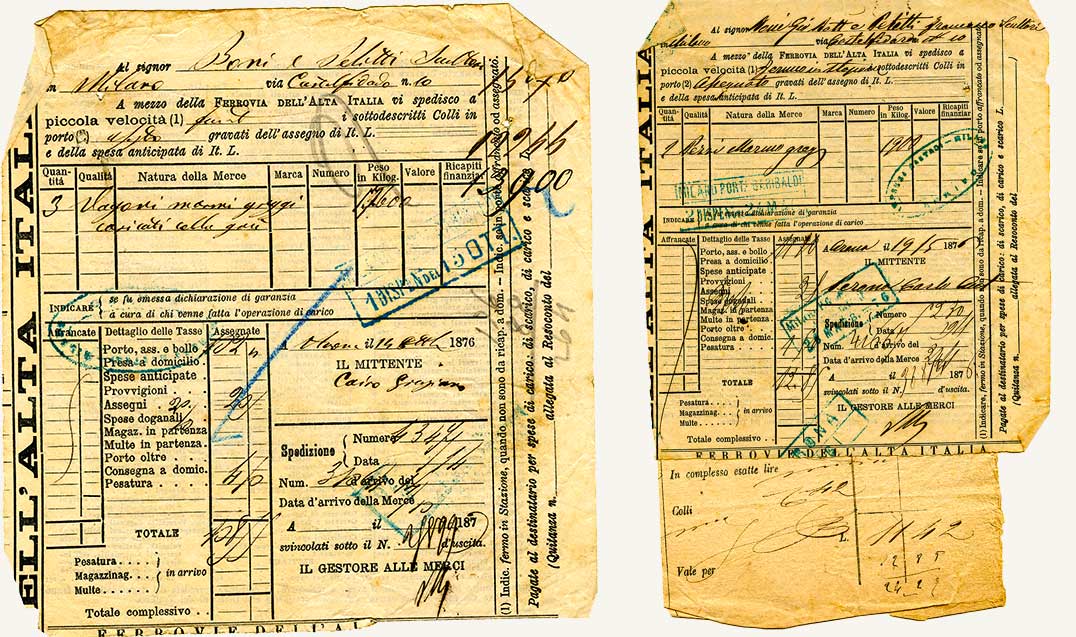
The marble blocks arrived in Milan by train, aboard the Ferrovia dell’Alta Italia: the delivery notes record the weights, tariffs and recipients of the consignment: three wagonloads of rough marble in a single delivery.
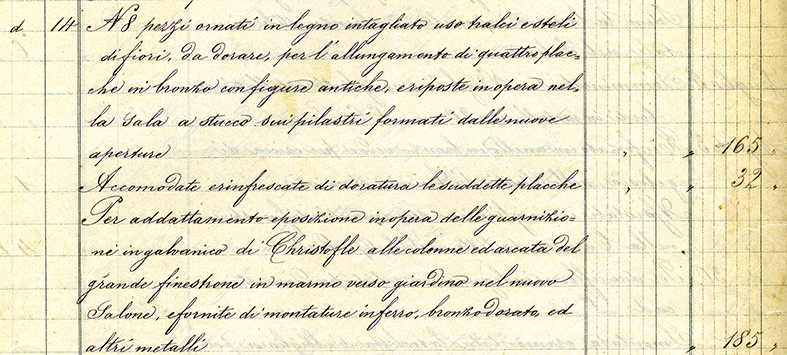
Finally, is documented that the decorative plaques were “arranged and renewed with gilding” to adapt Christofle’s electroplated mounts to the columns and the archway.
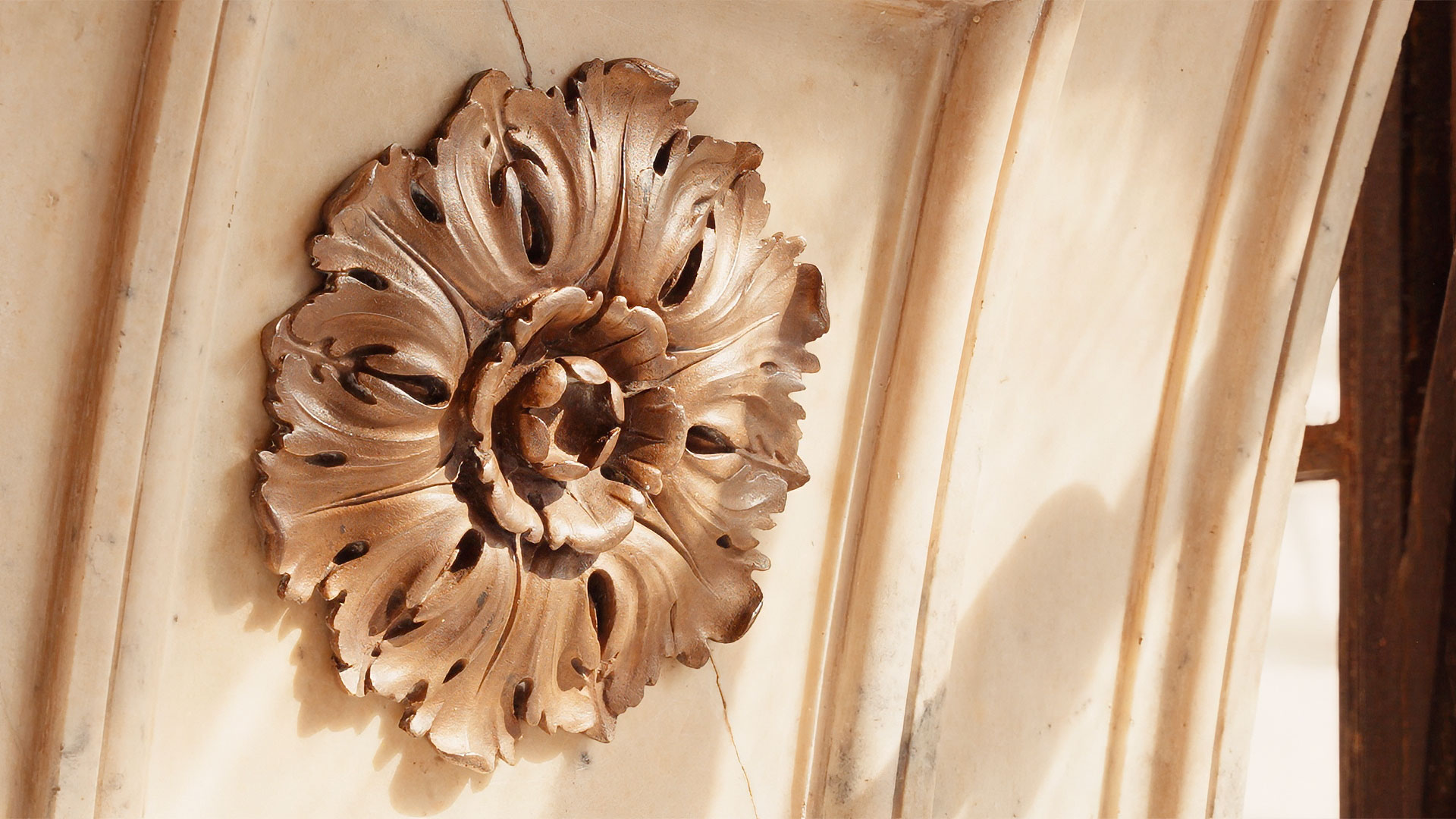
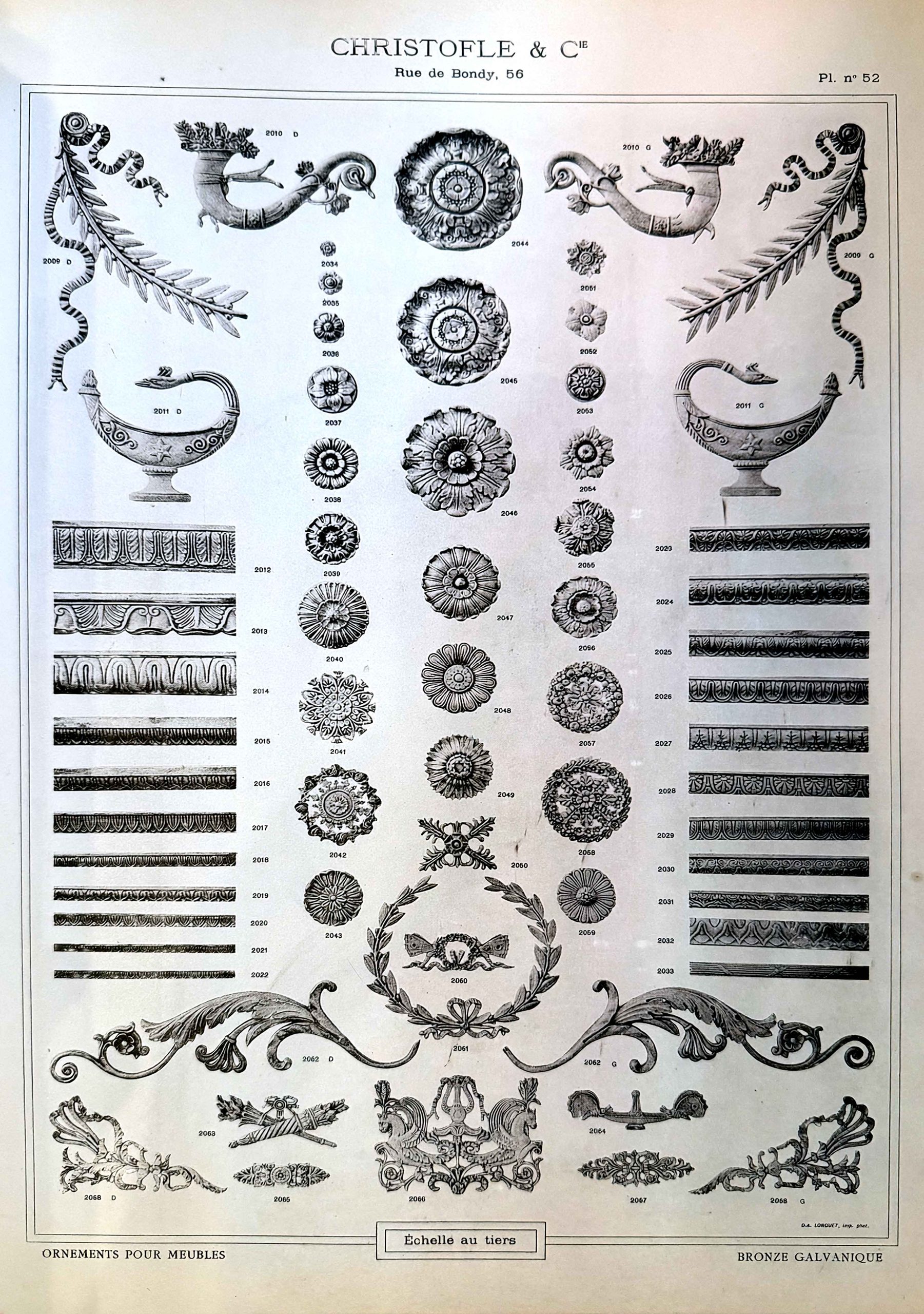
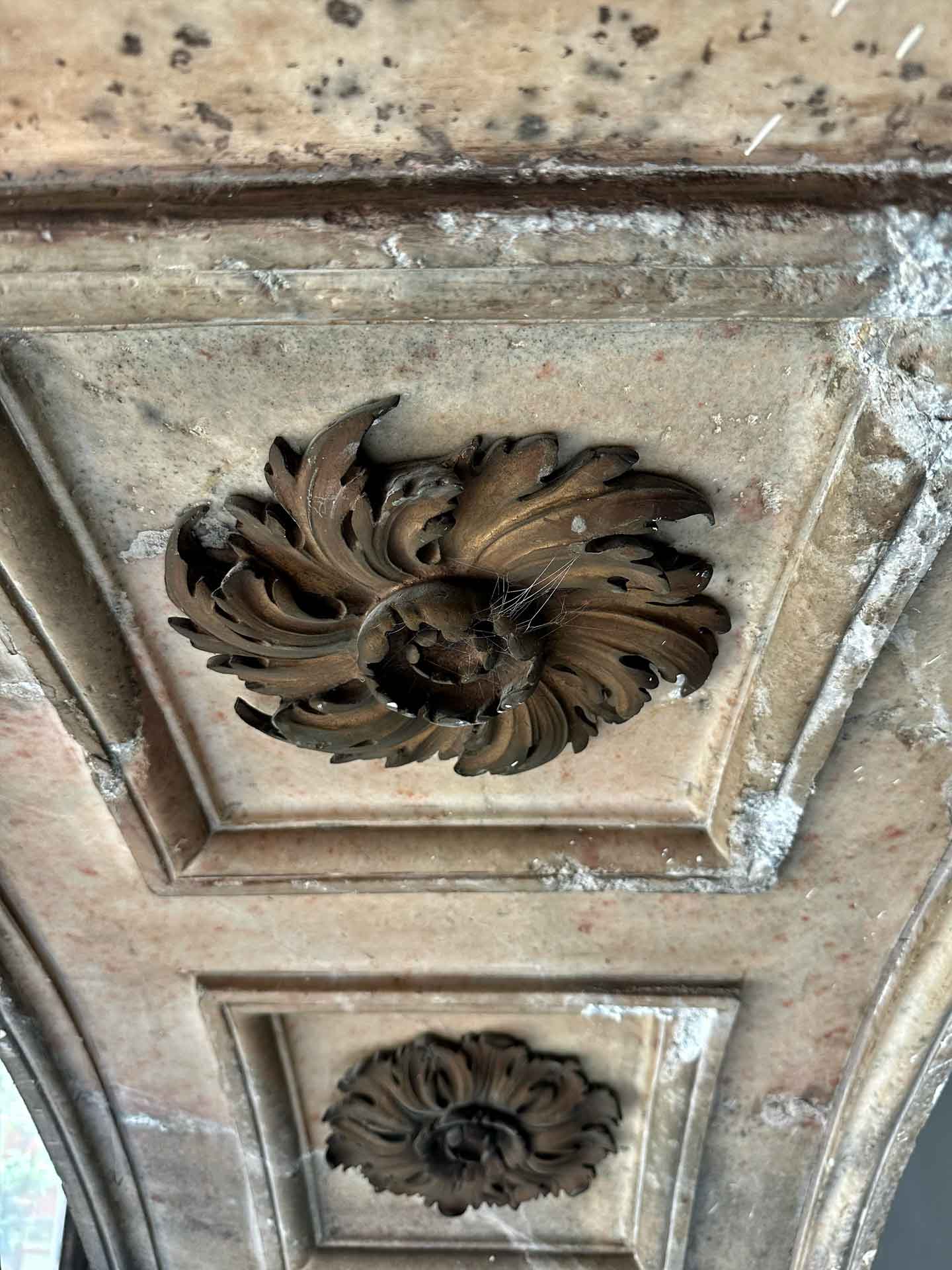
And it is precisely this detail that reveals the collector’s international taste: the rosettes and metal inserts of the Serlian window were made of Christofle alloy, a precious galvanised metal produced by the French manufacturer of the same name, brought especially from Paris.
Christofle alloy
Founded in Paris in 1830 by Charles Christofle, the manufactory revolutionised European goldsmithing starting in 1842, when Christofle patented gilding and silvering by electrolysis. In addition to using it on tableware that eventually became famous worldwide, the technique was also used on a monumental scale: in 1858 it decorated the carriages of Pope Pius IX’s train, in 1868 the statues on the roof of the Paris Opéra, in 1869 those of the church of Notre-Dame de la Garde in Marseille.
It was to this same manufactory, at the height of its international fame, that Gian Giacomo Poldi Pezzoli turned in 1876 for the inserts of the Serlian window in the Golden Room.
1898
The first refurbishment
The eclectic taste of the Golden Room did not appeal to everyone. When in 1898 the architect Camillo Boito, one of the founders of Italian museography, succeeded Bertini as the museum’s director, he undertook a first refurbishment with the declared aim of lightening the interior decoration. The carved furniture was removed from the bedroom.
The Golden Room, which in the meantime had “taken on the appearance of an antique dealer’s shop”, was partly cleared out. Councillor Aldo Noseda, justifying Boito’s choices, openly spoke of a “poor taste that for fifty years has raged even in our country”. This was the first, and certainly not the last, criticism of the Golden Room.
The night of the air raid
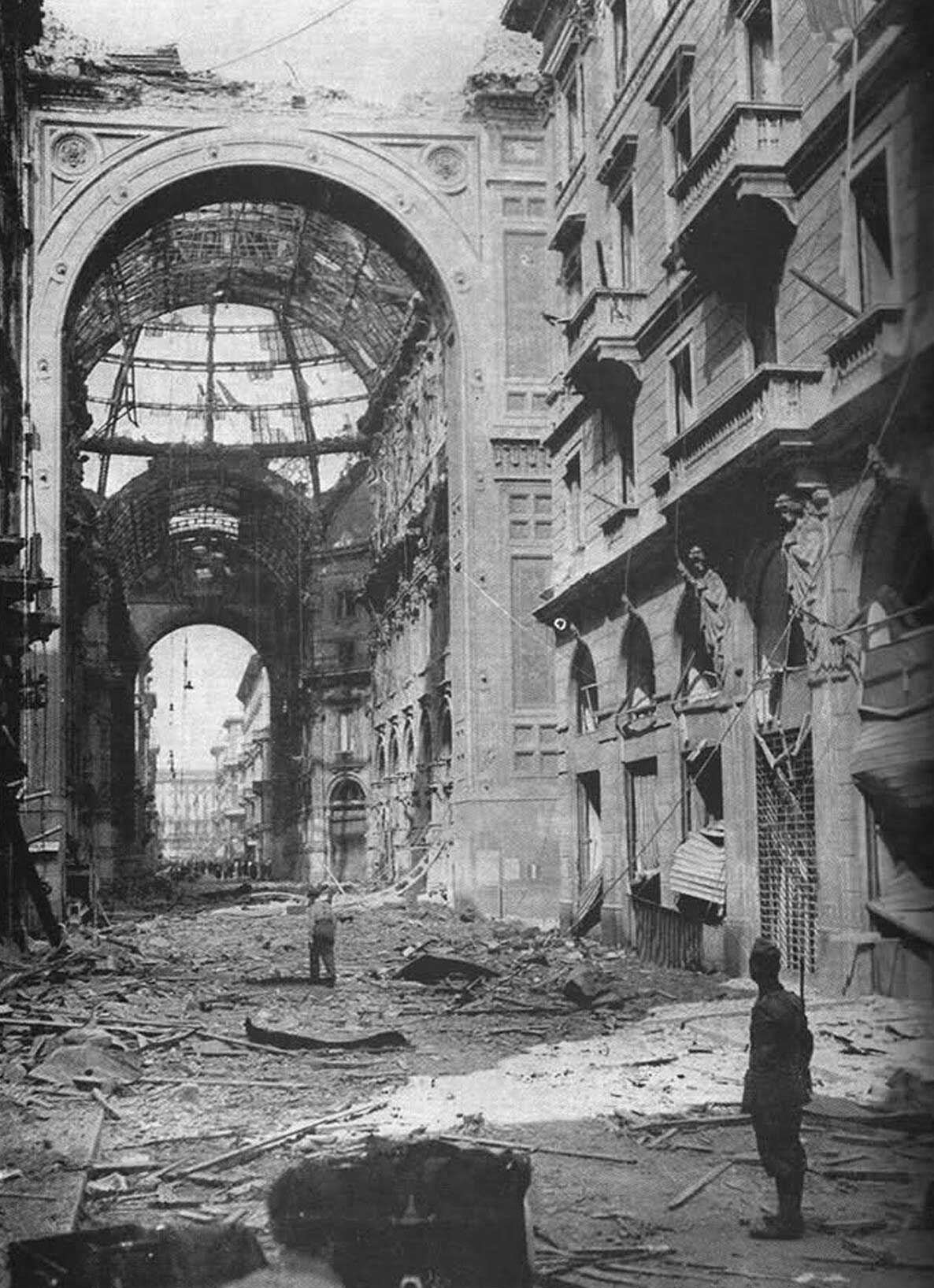
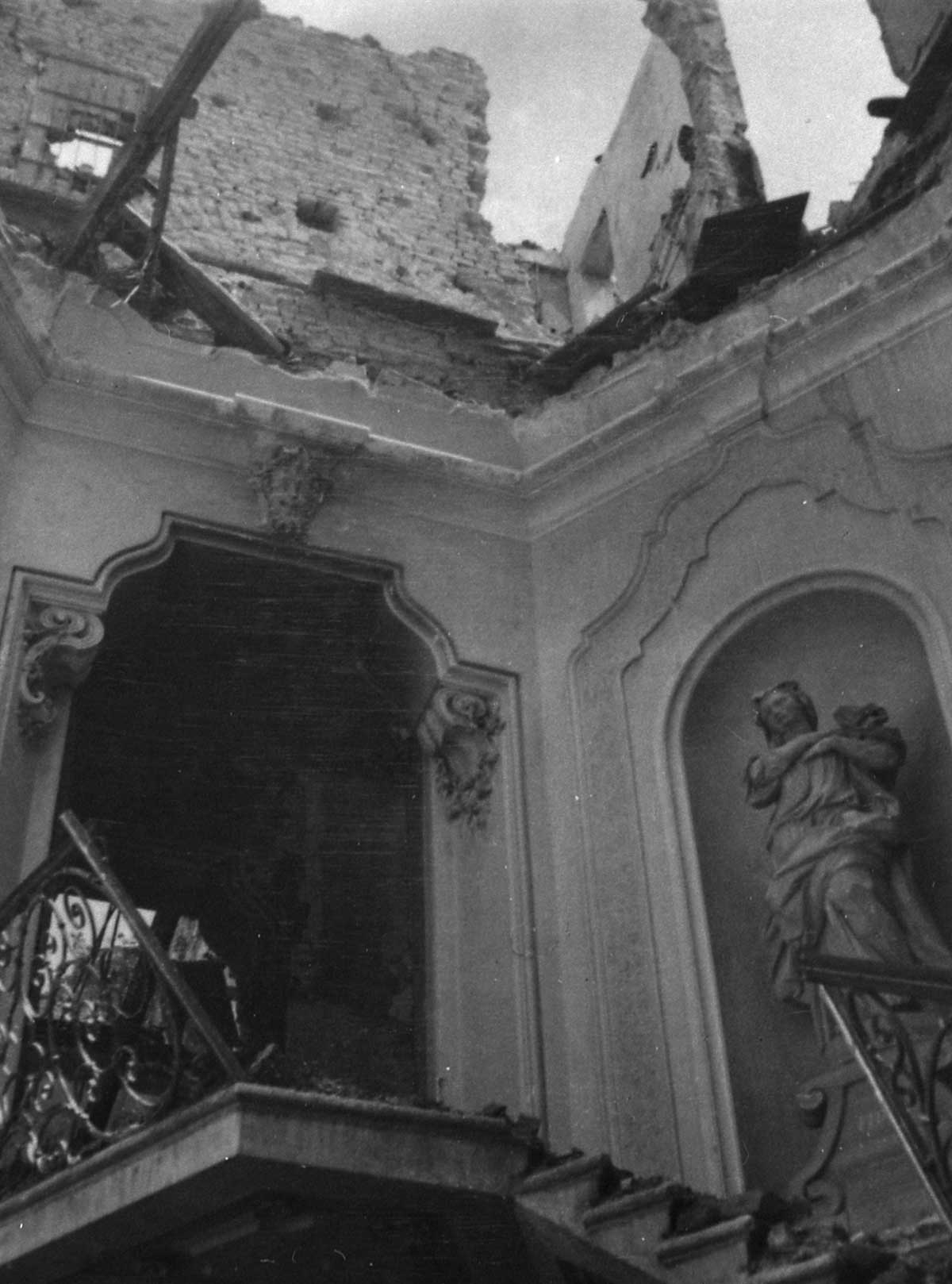
In August 1943 Milan suffered one of the most devastating air raids in its history.
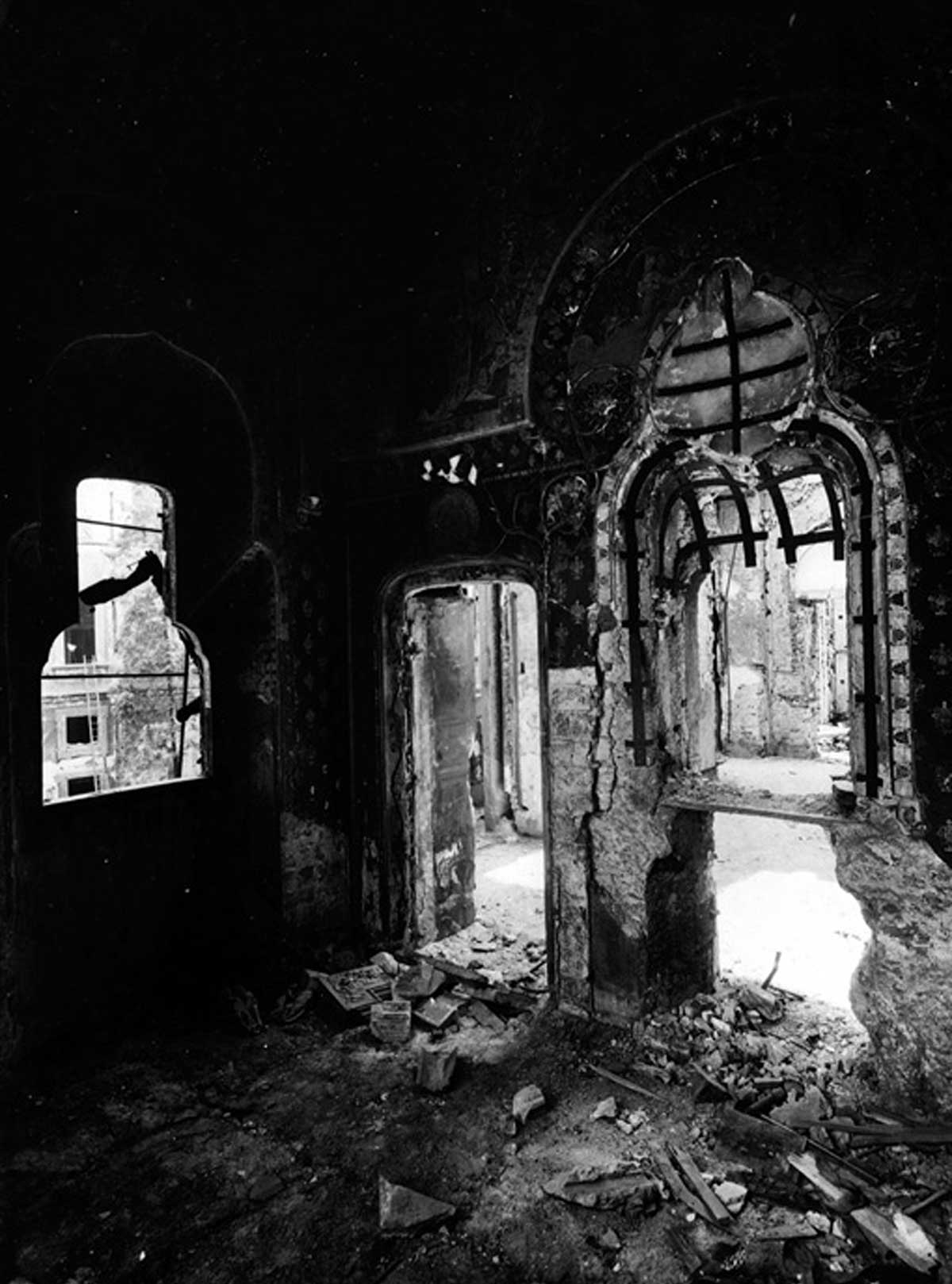
Between 13 and 14 August, 1,250 tons of incendiary bombs fell in two hours, damaging the city’s symbolic monuments: Palazzo Marino, Santa Maria delle Grazie, the Castello Sforzesco and among them the Museo Poldi Pezzoli.
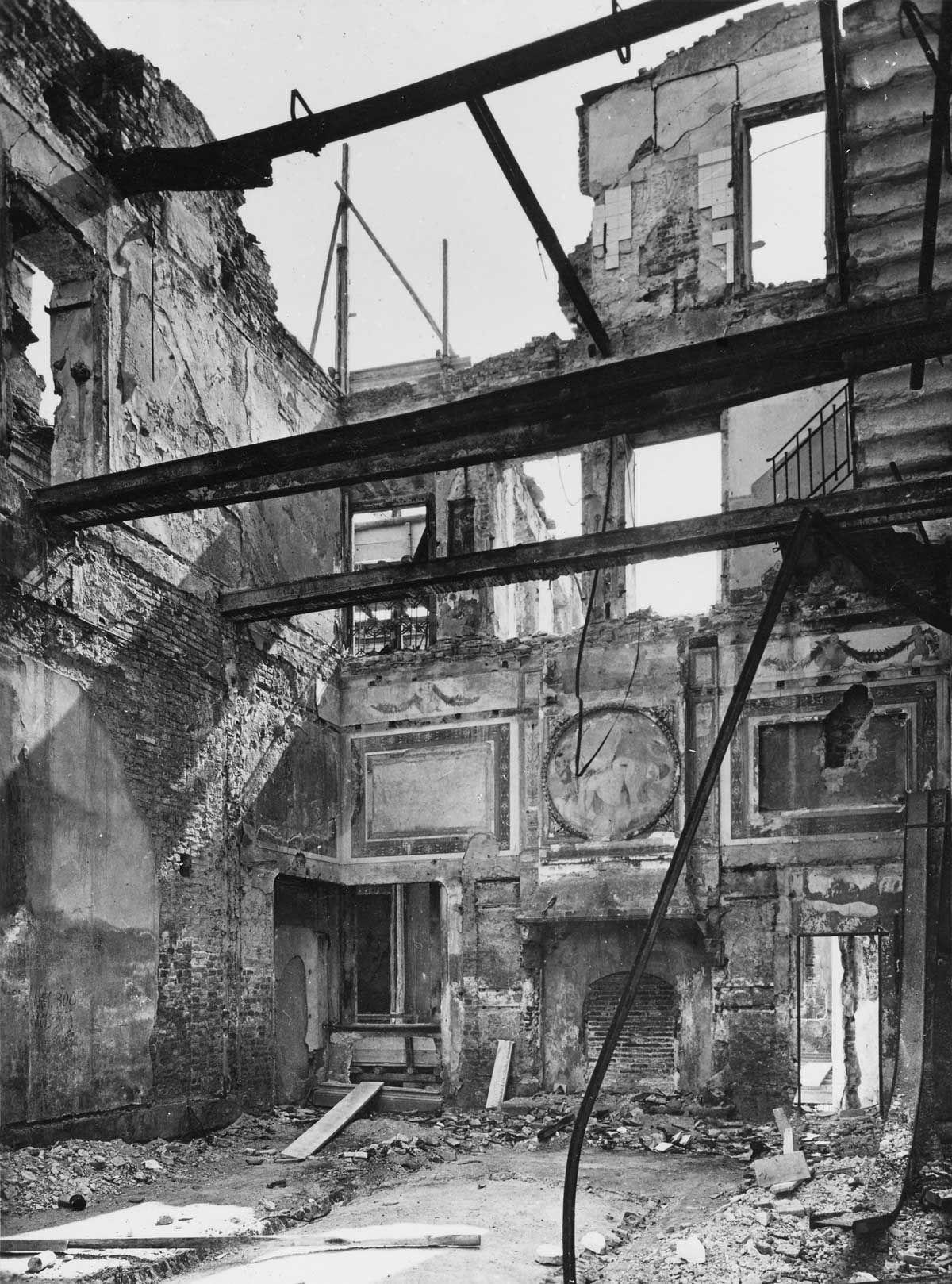
The artworks had already been placed in safety in 1940, but the building could not be protected. The incendiary fragments burned the roof and caused the collapse of most of the floors on the first floor, including those of the Armoury and the Lombard room. The Golden room lost its coffered ceiling, the frieze frescoed by Bertini, the fireplace, and the tapestry: the whole decorative apparatus that had made it one of the most admired period rooms in Europe, inspiring museums such as the Isabella Stewart Gardner in Boston and the Frick Collection in New York. Of the large marble window, the only non-inflammable part, the framework survived.
The reconstruction:
two different visions
At the war’s end, there was a disagreement between two officials of the Superintendency. Guglielmo Pacchioni, Superintended of Monuments of Lombardyconsidered the building too damaged to be rebuilt in its location; Fernanda Wittgens (1903-1957), an official of the Superintendency of Museums, well known for having saved the artworks of the Brera Museum during the war, opposed this plan. She obtained the necessary funds from the Ministry and in January 1946 the commission decided to rebuild the museum where it was. The work, directed by the architect Ferdinando Reggiori, began the following year.
Fernanda Wittgens and Ferdinando Reggiori
Wittgens is remembered above all for having saved the artworks in of Brera during the war and for the battle that she won to rebuild the Poldi Pezzoli in its location.
Ferdinando Reggiori, a Milanese architect and architecture historian, was the director of works between 1946 and 1951.
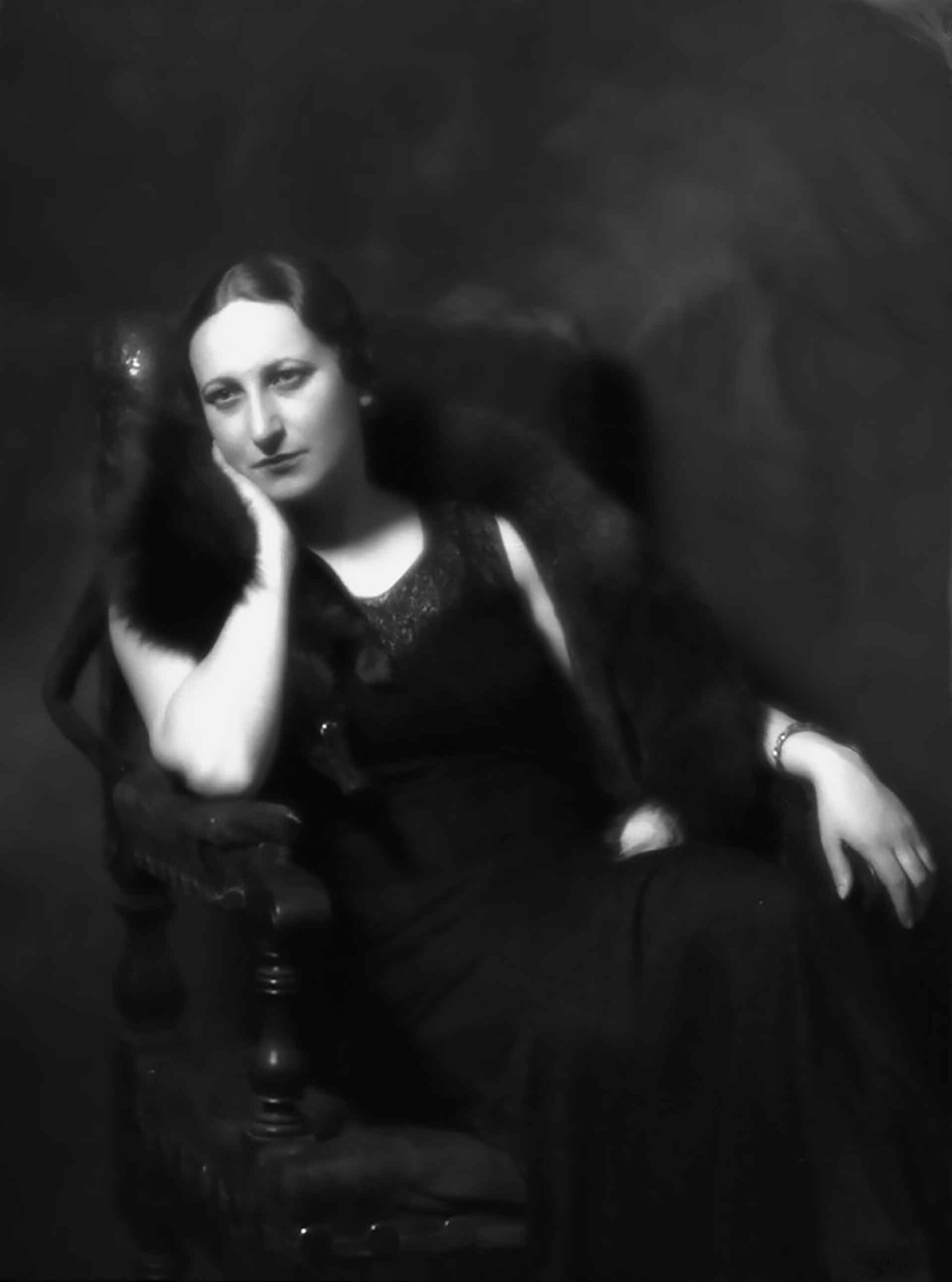
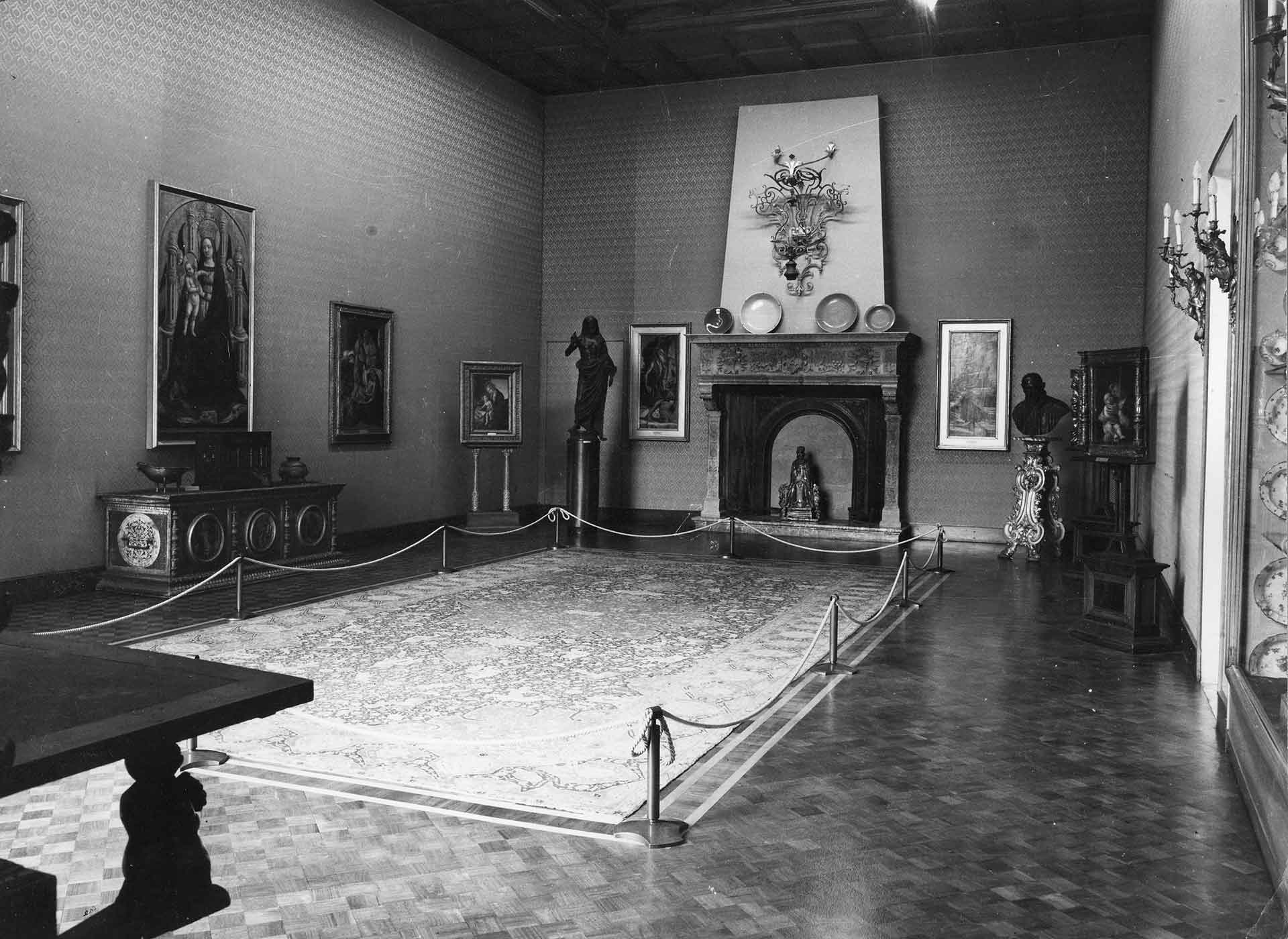
It remained to decide how to proceed. In 1948 the commissioner Paolo D’Ancona wondered whether it would not be better to “erase every trace of the old decoration”, considering the room “an example of the bad taste of the time”. Even the Dante Study risked being destroyed. Instead, the policy adopted by Wittgens and Reggiori prevailed: not a historical forgery, but “a sober modern arrangement”, a harmony between what survived and some new elements.
The Dante Study and the Baroque Staircase, less damaged, were restored “where they were and as they were”. The museum reopened on 1 December 1951.
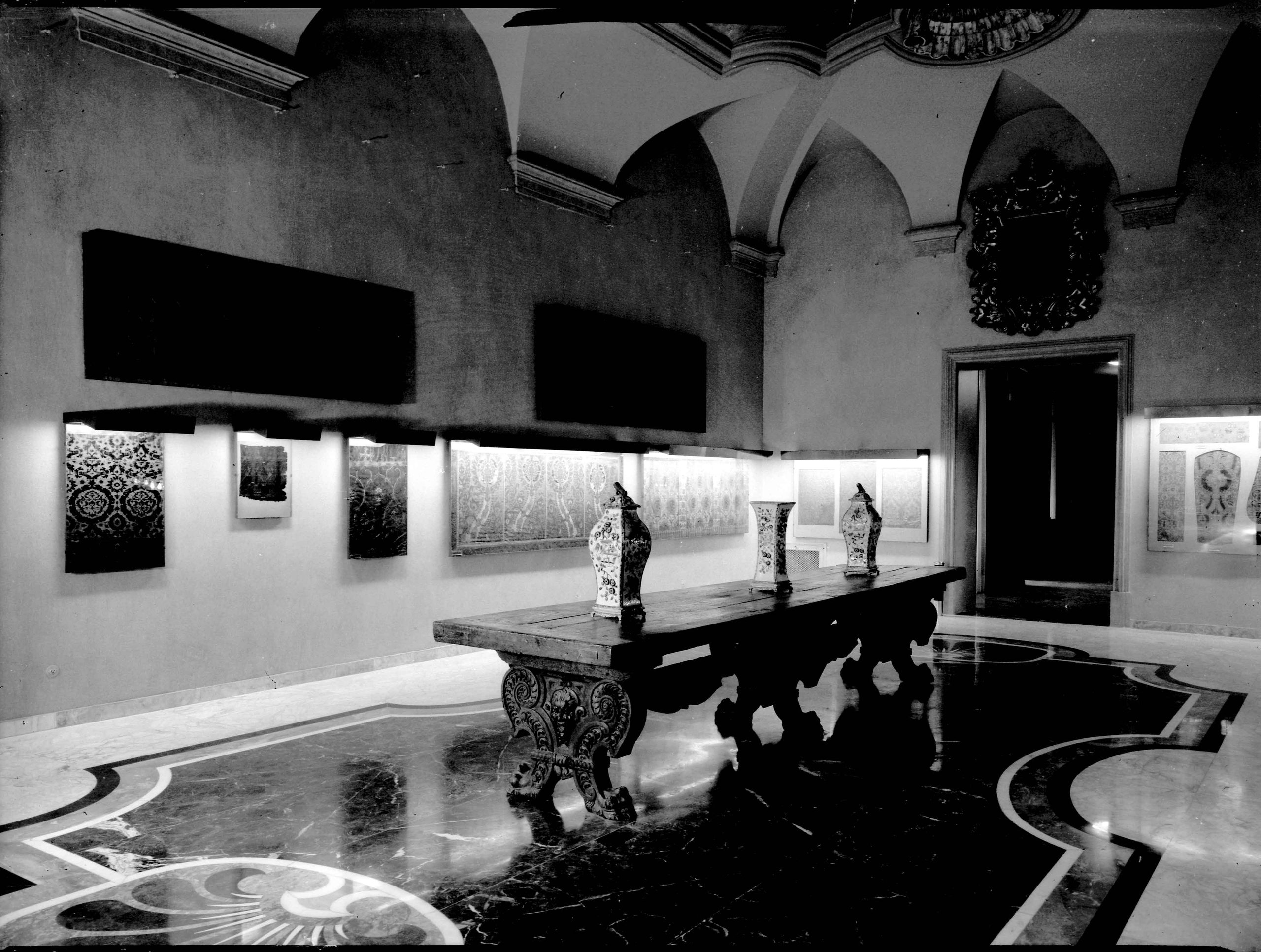
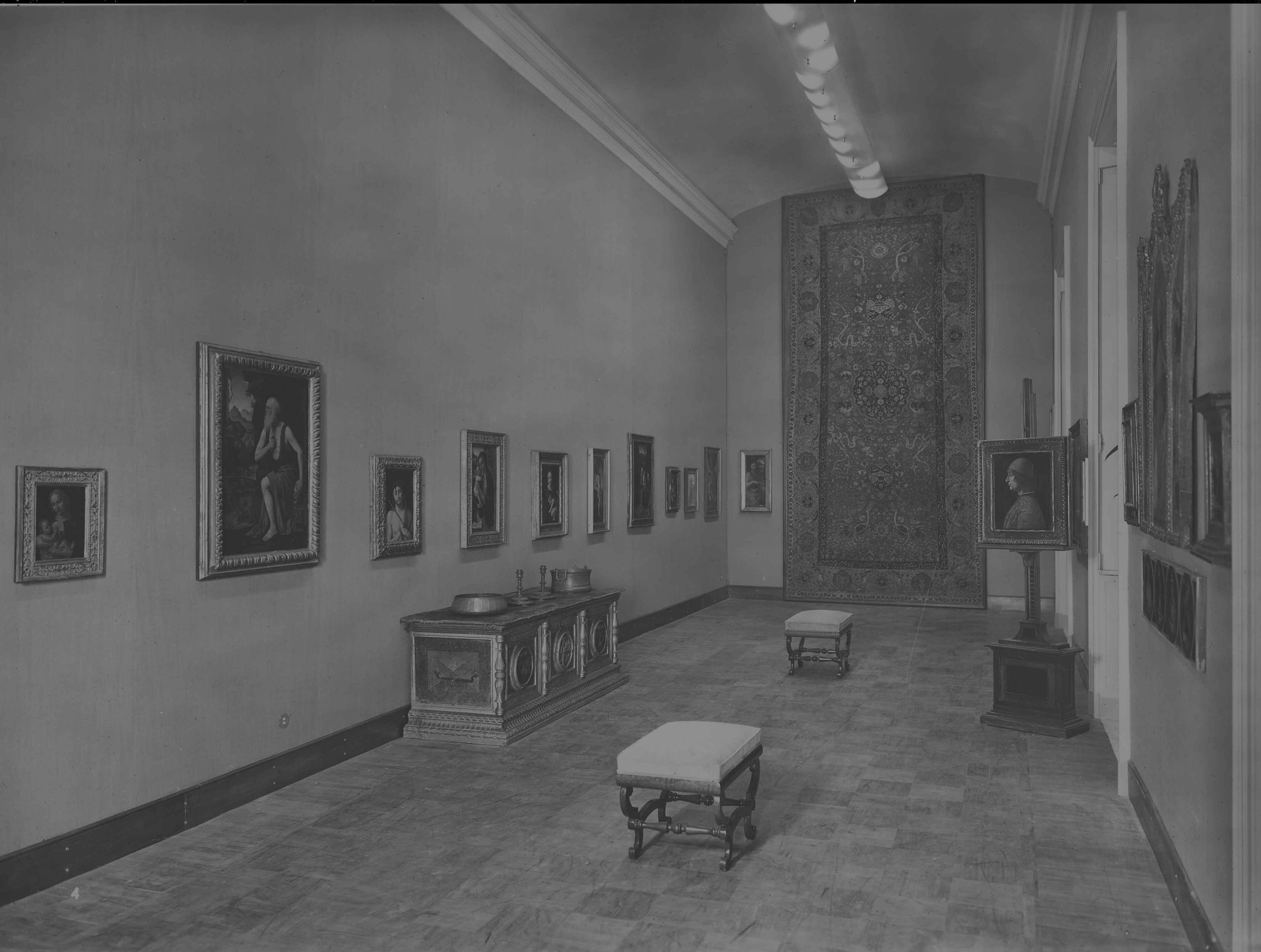
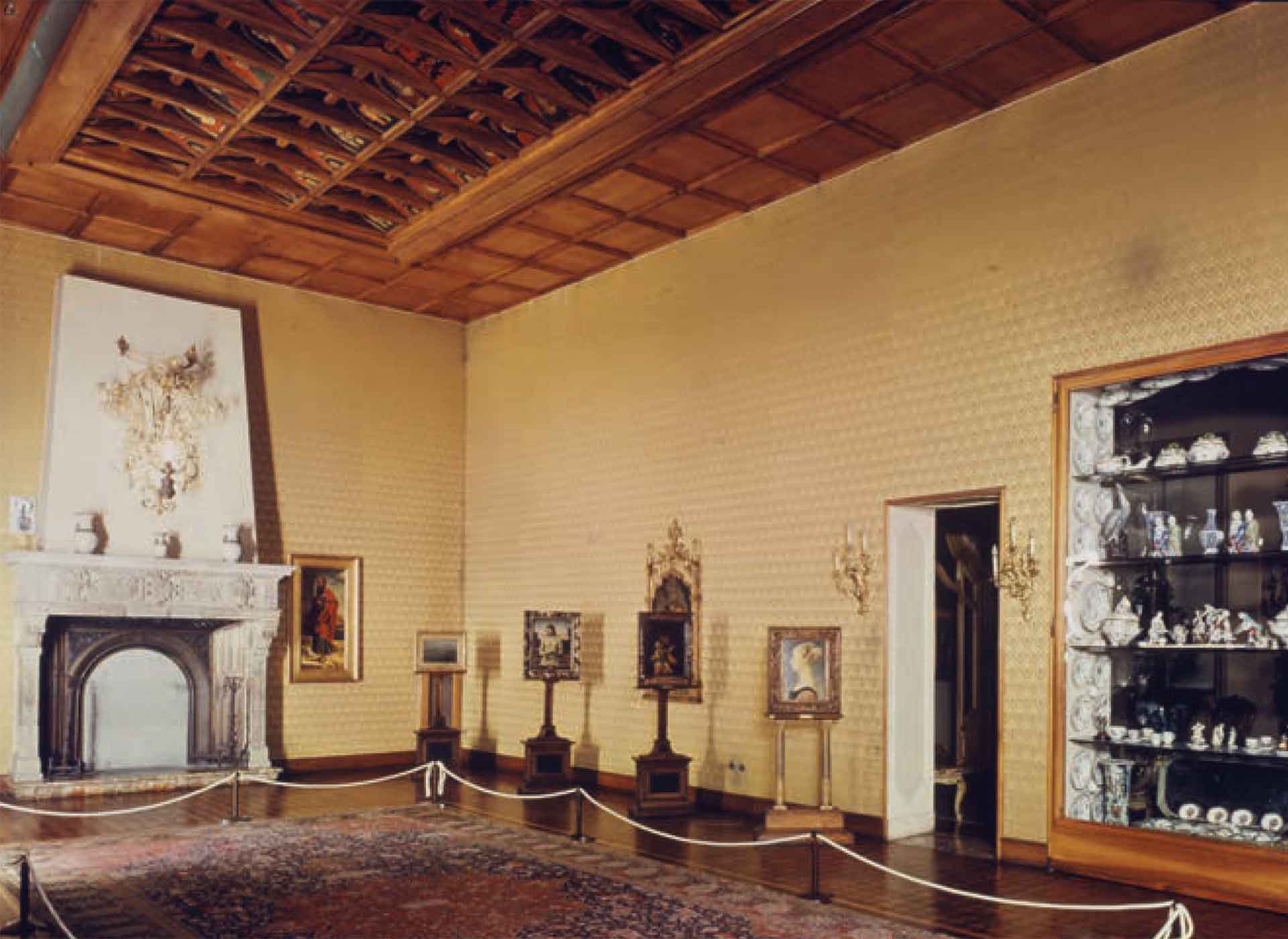
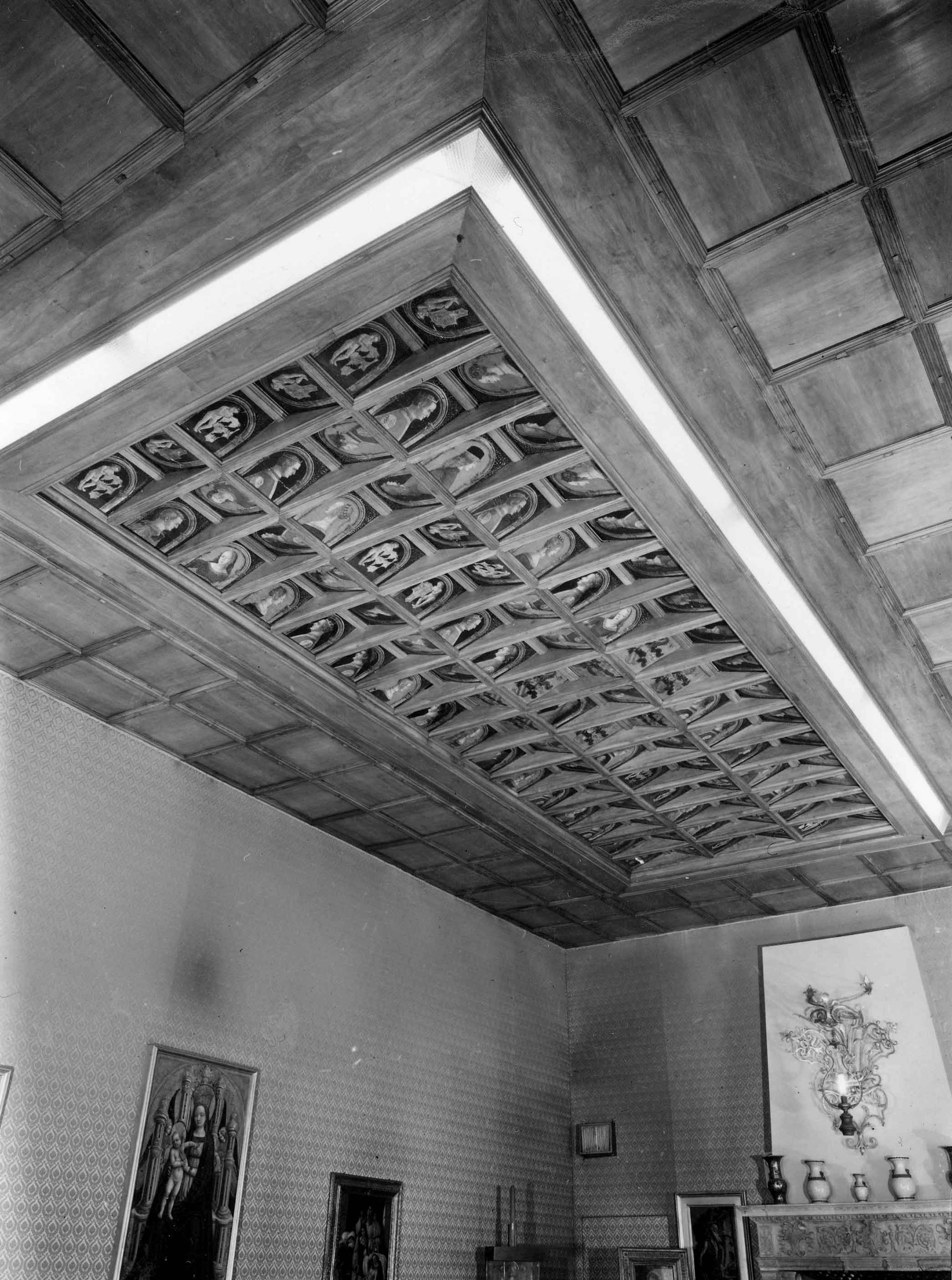
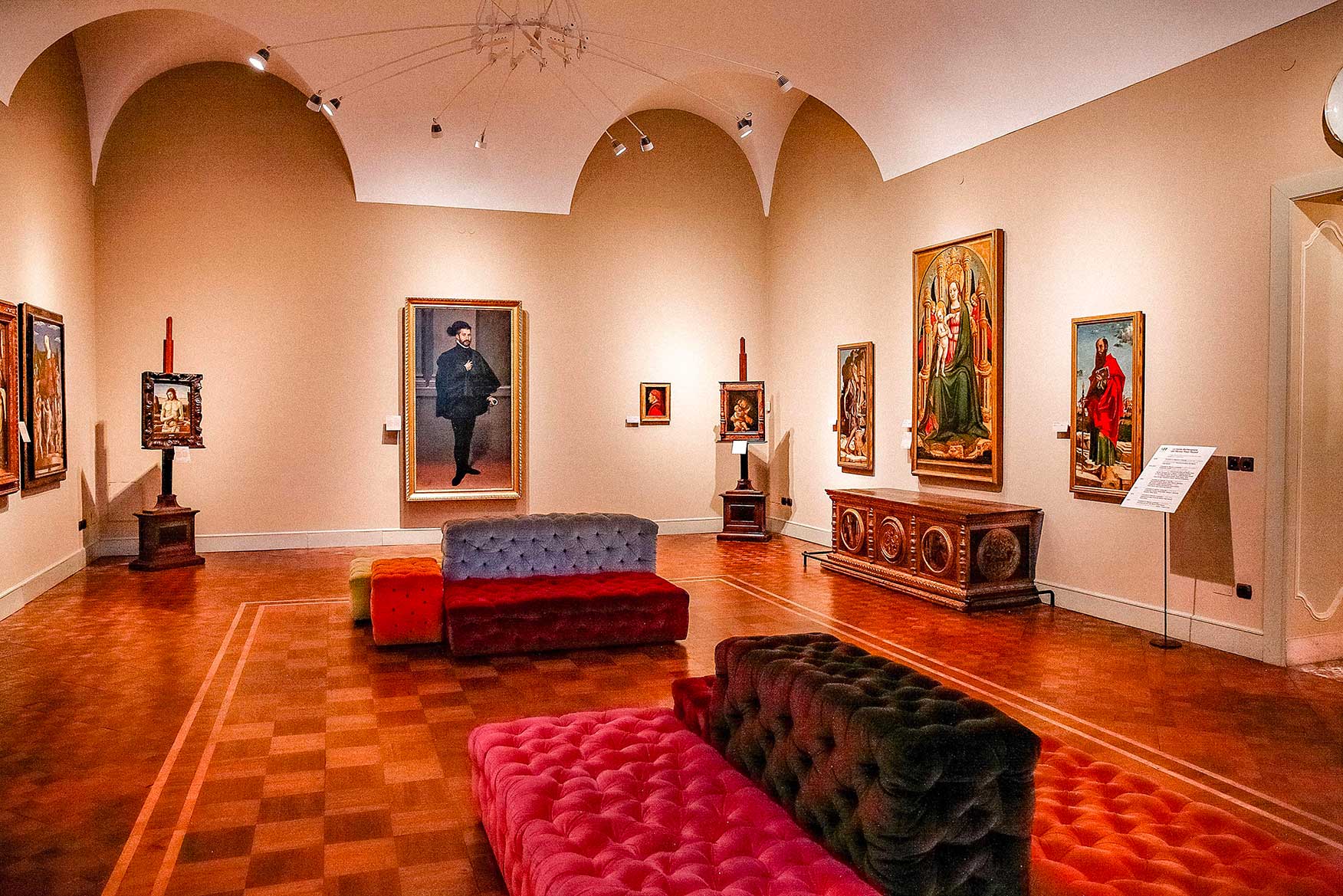
For the Golden Room, the most damaged, the choice fell on a composition of Cremonese panels for the ceiling, a 16th century fireplace on loan, and new ochre-coloured wall coverings. The marble Serlian window was the only original feature.
1974
The third refurbishment
In November 1974 the Golden Room was transformed for the third time: a new plasterboard ceiling, a sort of lowered vault, reduced its height to make it more intimate and suitable for exhibiting small-format paintings.
The project redesigned the volume of the room and changed its light and proportions. The upper part of the large marble window, the only element that had survived the air raids, was largely concealed by this new arrangement.
It would remain there until 2026. The room that visitors had known for two generations was not the one wanted by Wittgens, but a downsized version of it.
PART TWO
The discovery
and the recovery project
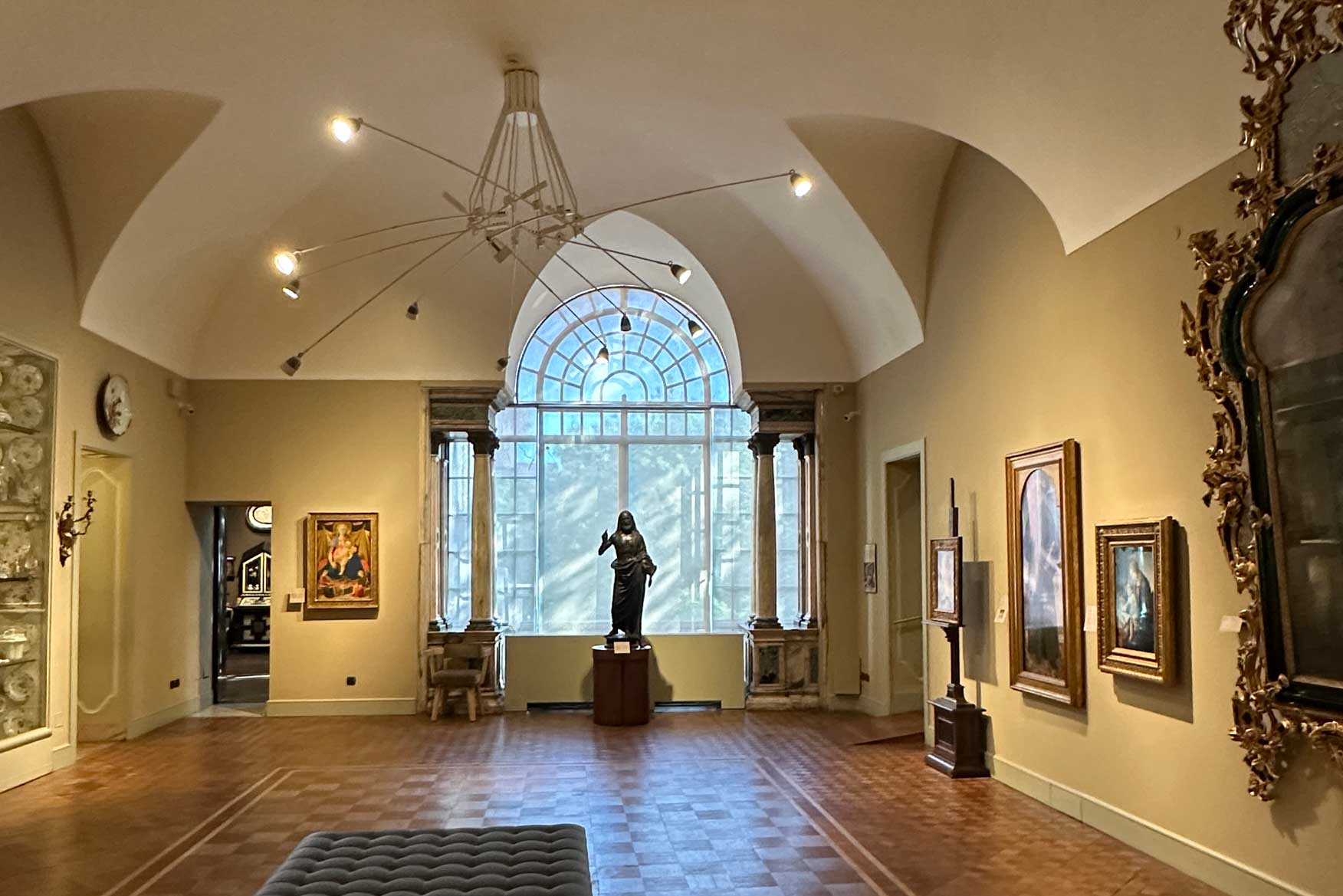
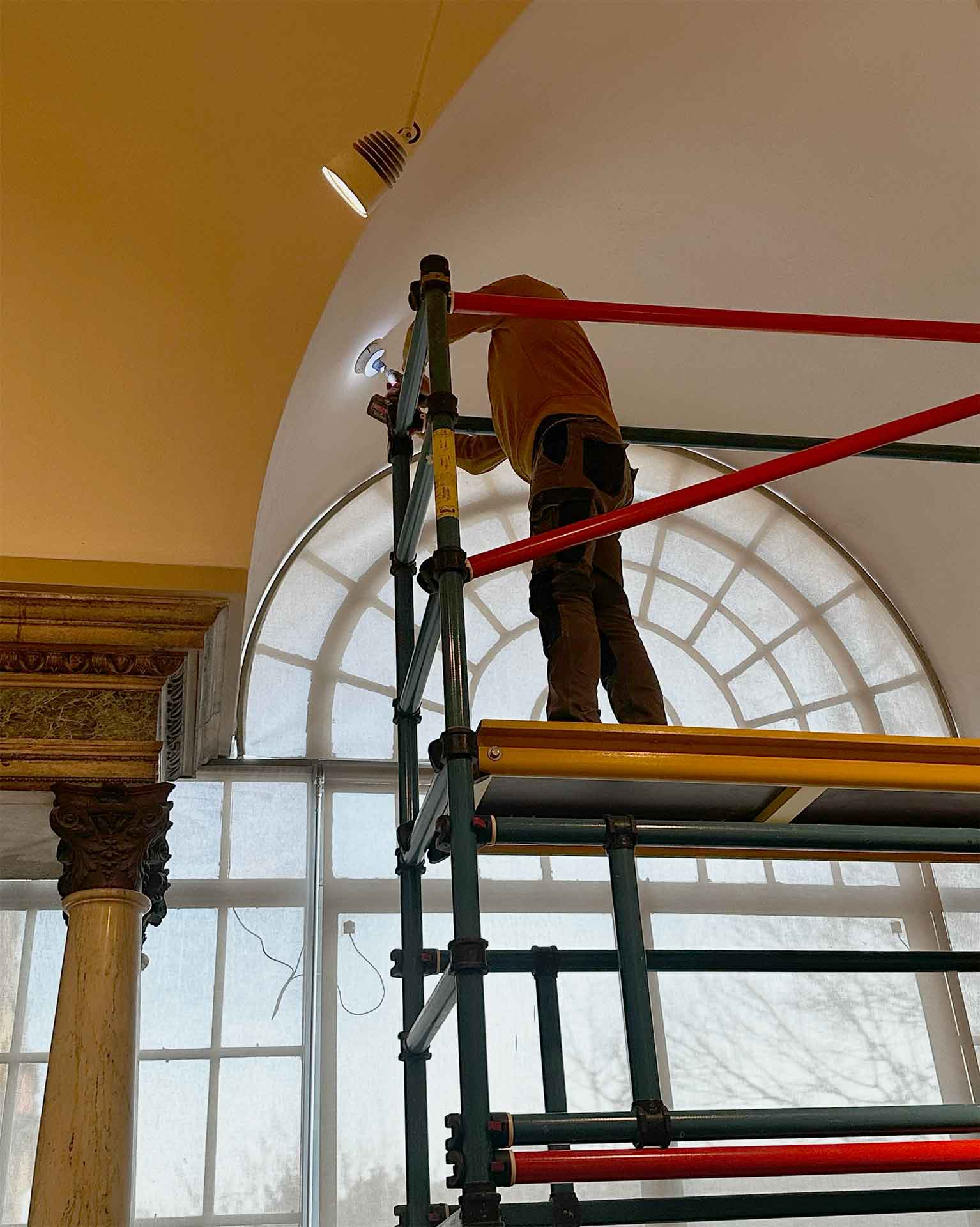
In 2025, a video inspection inside the false ceiling revealed that the part of the arch concealed since 1974 had preserved its marble and bronze ornaments intact. The restoration project by the architect Piero Guicciardini, approved by the Superintendency envisaged the removal of the 1970s false ceiling restoring the height and proportions of the room wanted by Bertini in the 19th century.
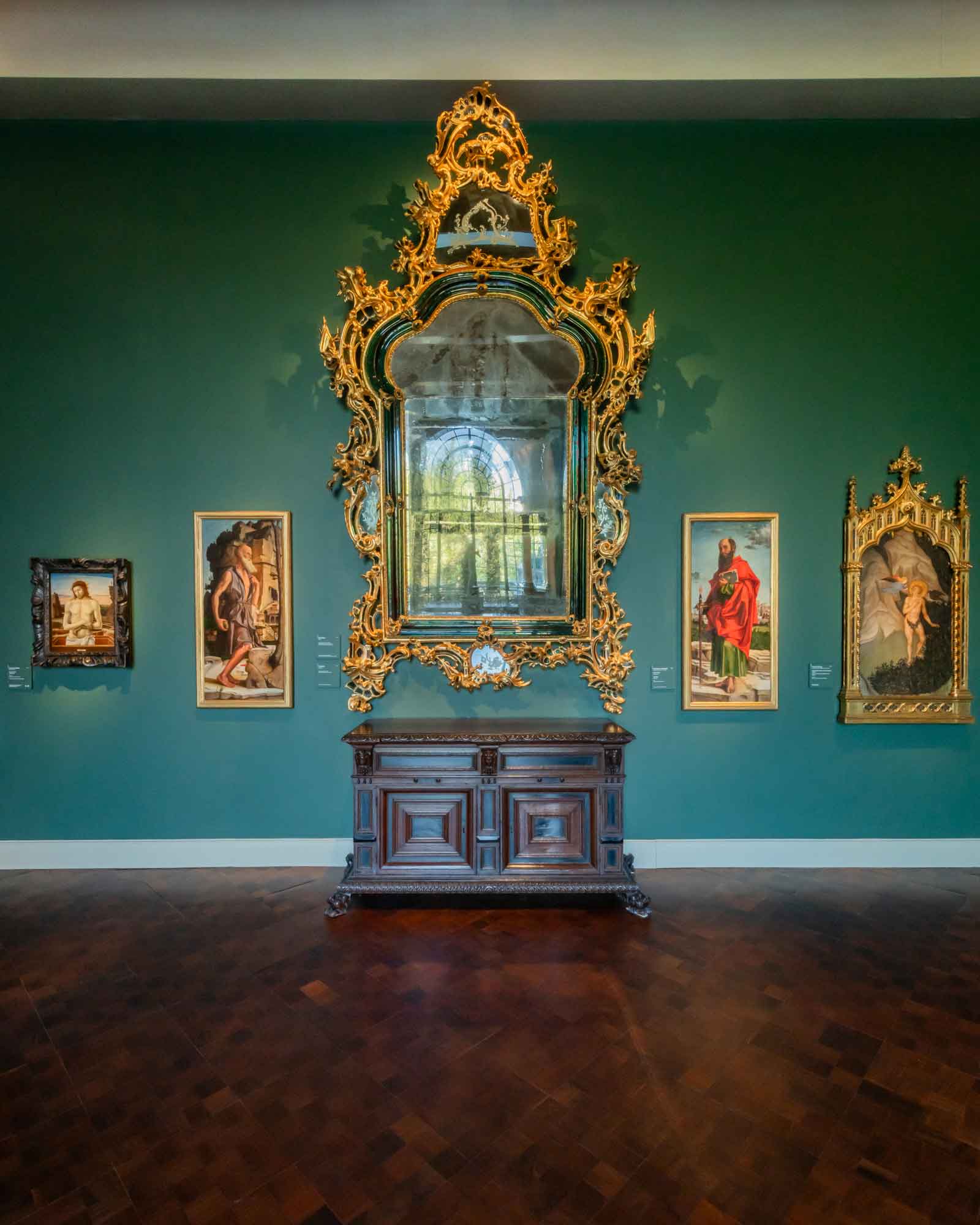
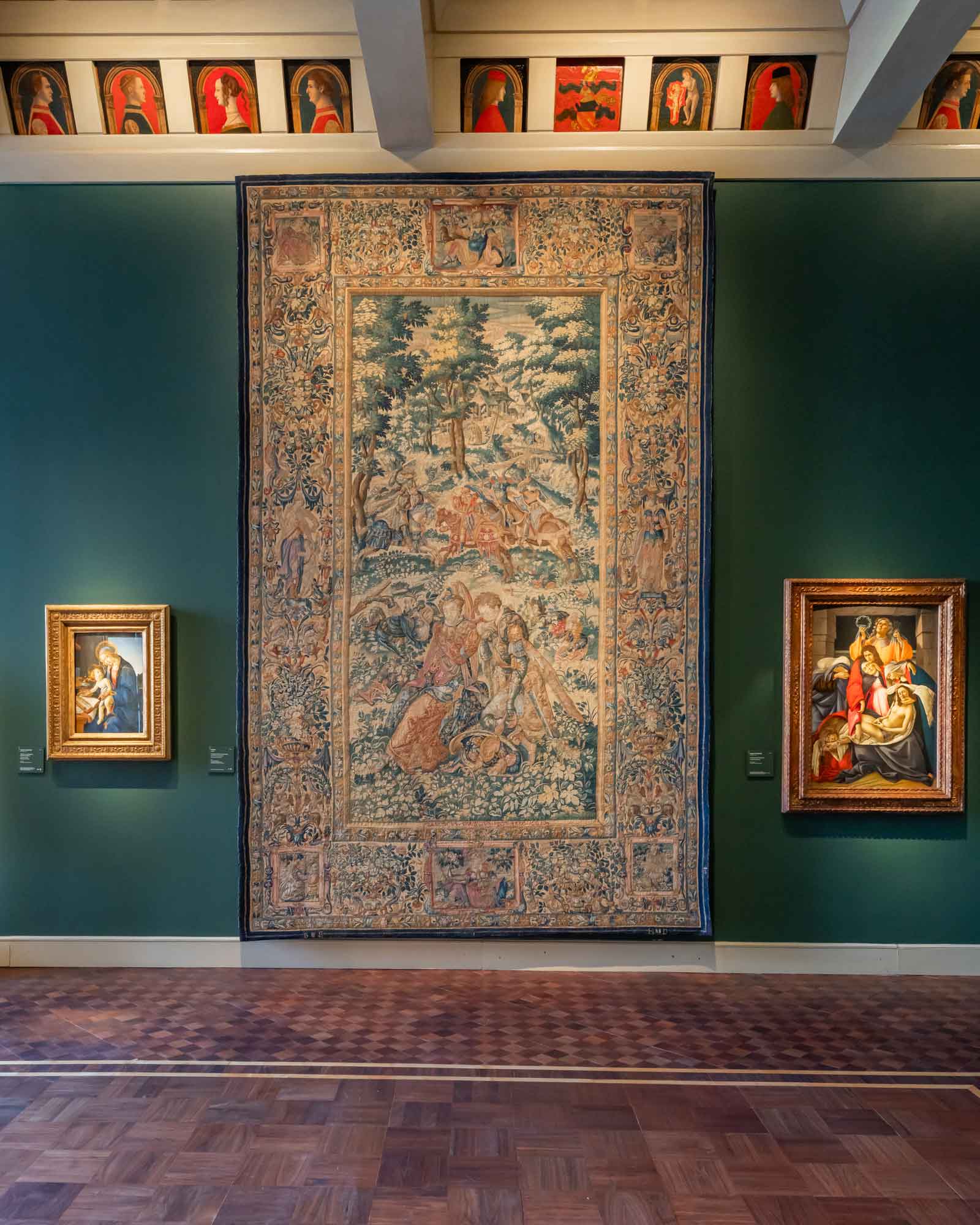
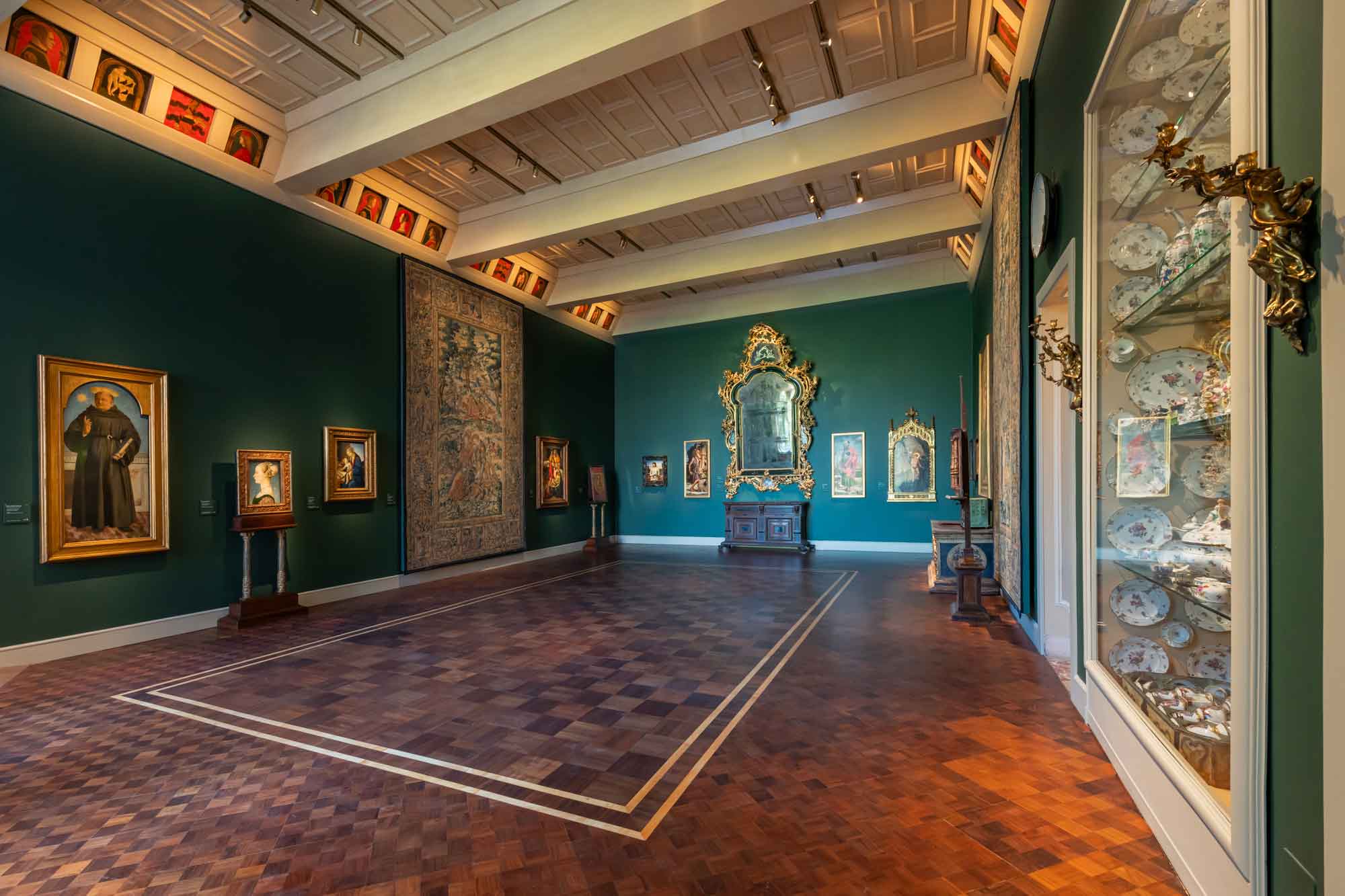
The recovered space has allowed the hanging of the two tapestries with the Stories of Amadis of Gaul by Françoise Spiering, restored in 2005. The Cremonese panels have been set on the ceiling from 1951 in a new arrangement. The whole Serlian window is visible again.
The project began with an analysis of the archival documents of the house-museum and of the historical images. For the World Monuments Fund, the project focused on three aims: to reinterpret the history of the collection in a contemporary key; to guarantee public access, the same principle by that had led Poldi Pezzoli to bequeath his house “for public use and benefit in perpetuity”; and to keep the museum within an international network of cultural relations.
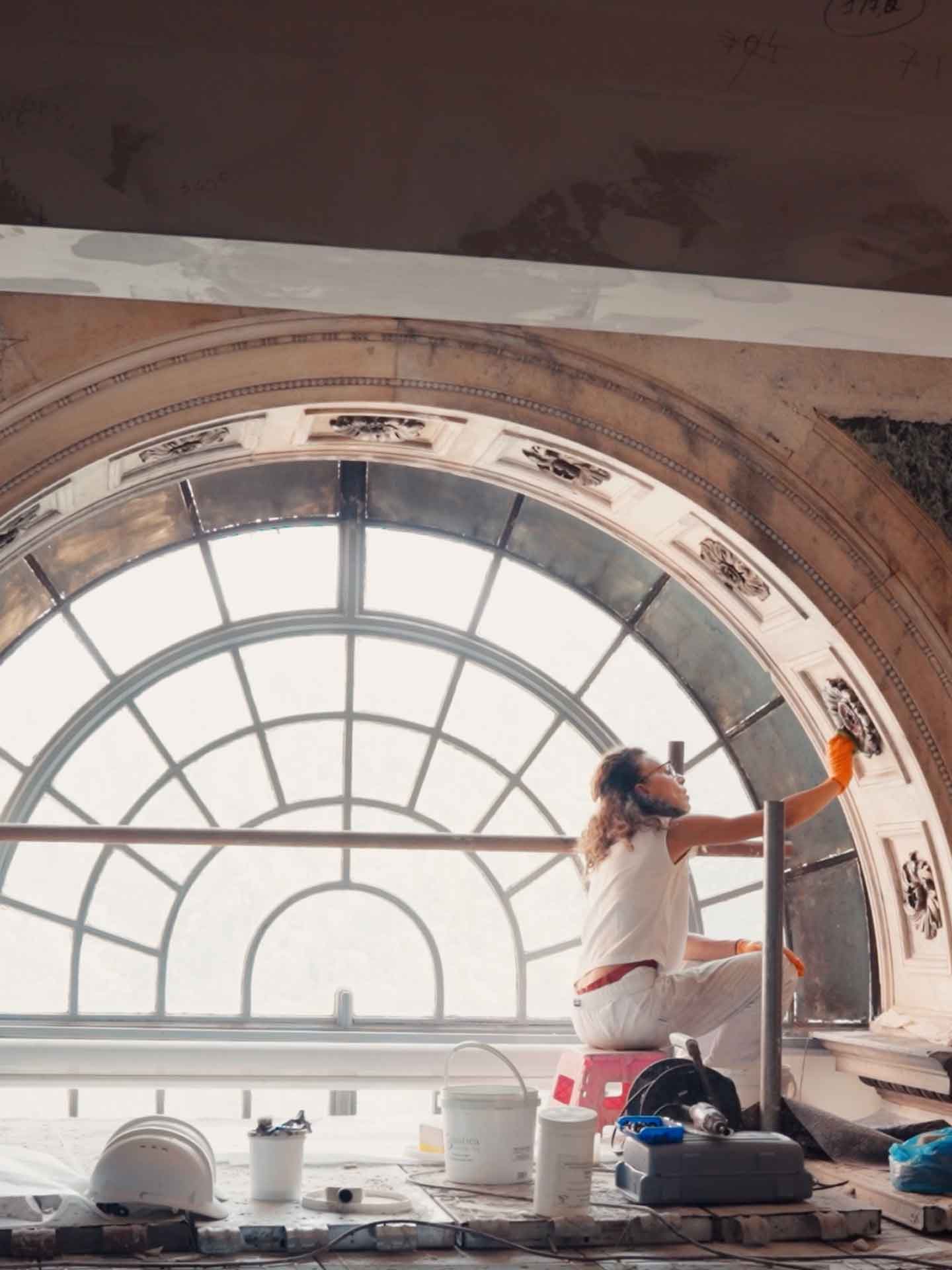
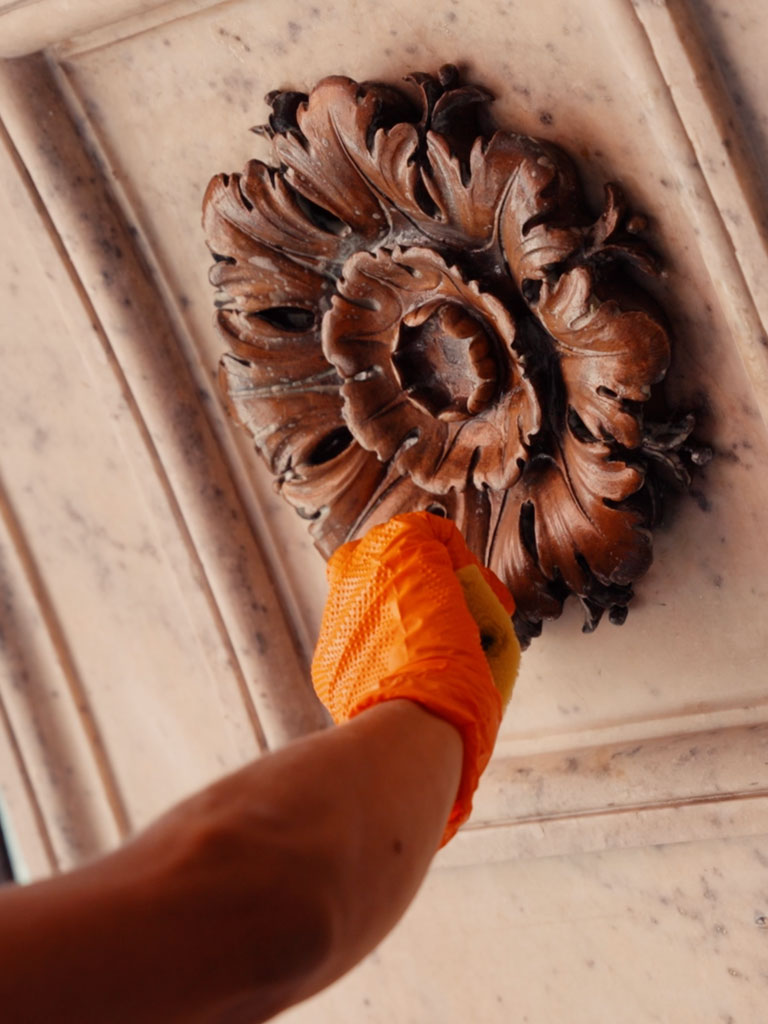
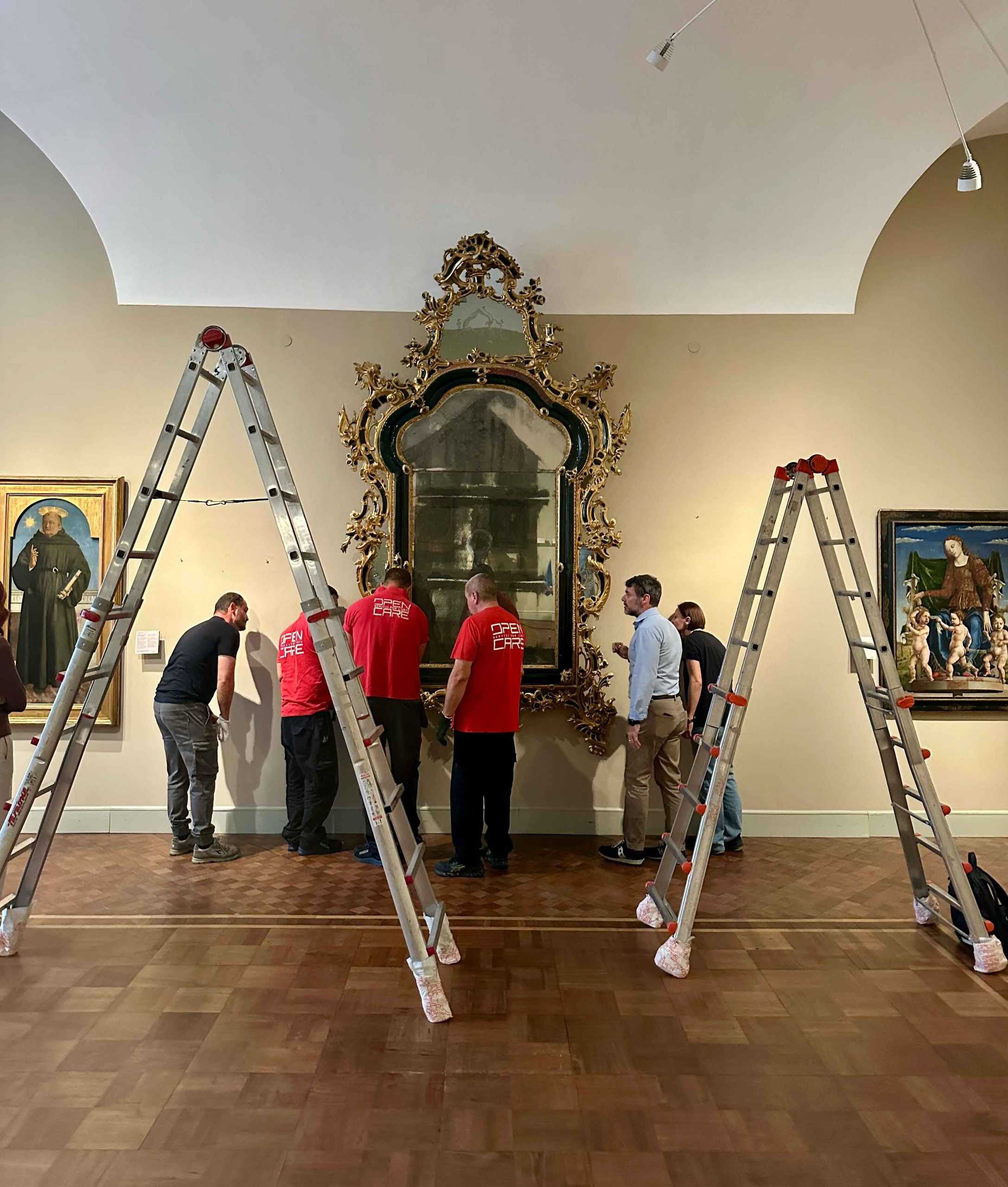
The work involved the restoration of the window marble arch and of the Baroque mirror and the display of the panels on the new ceiling.
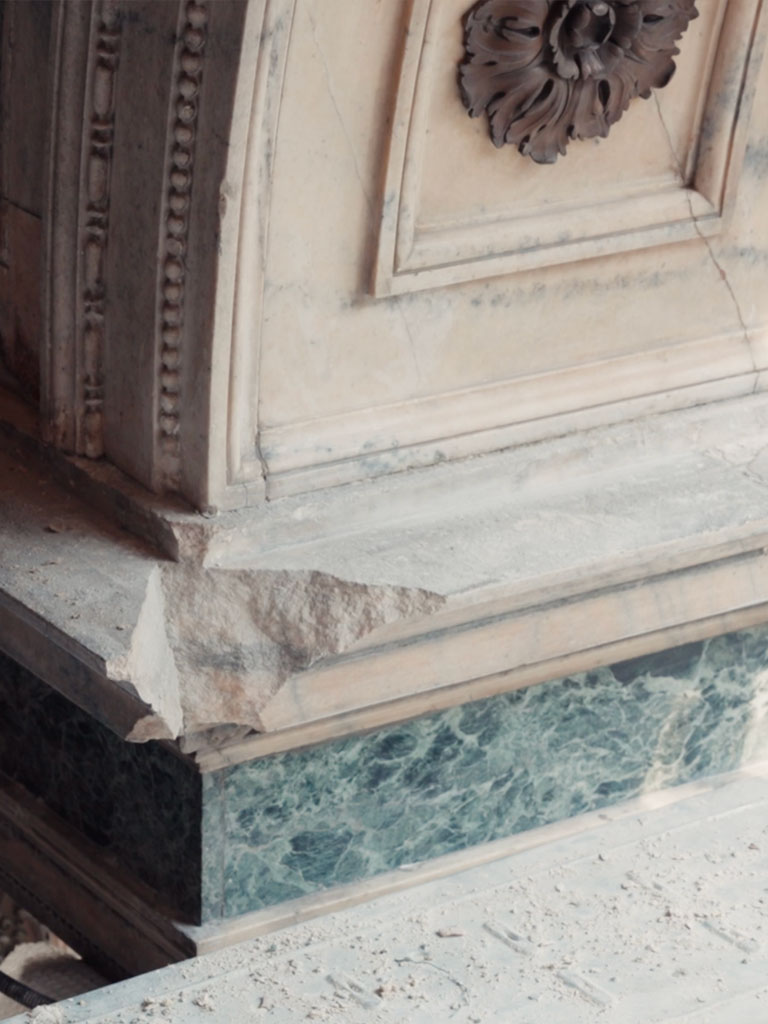
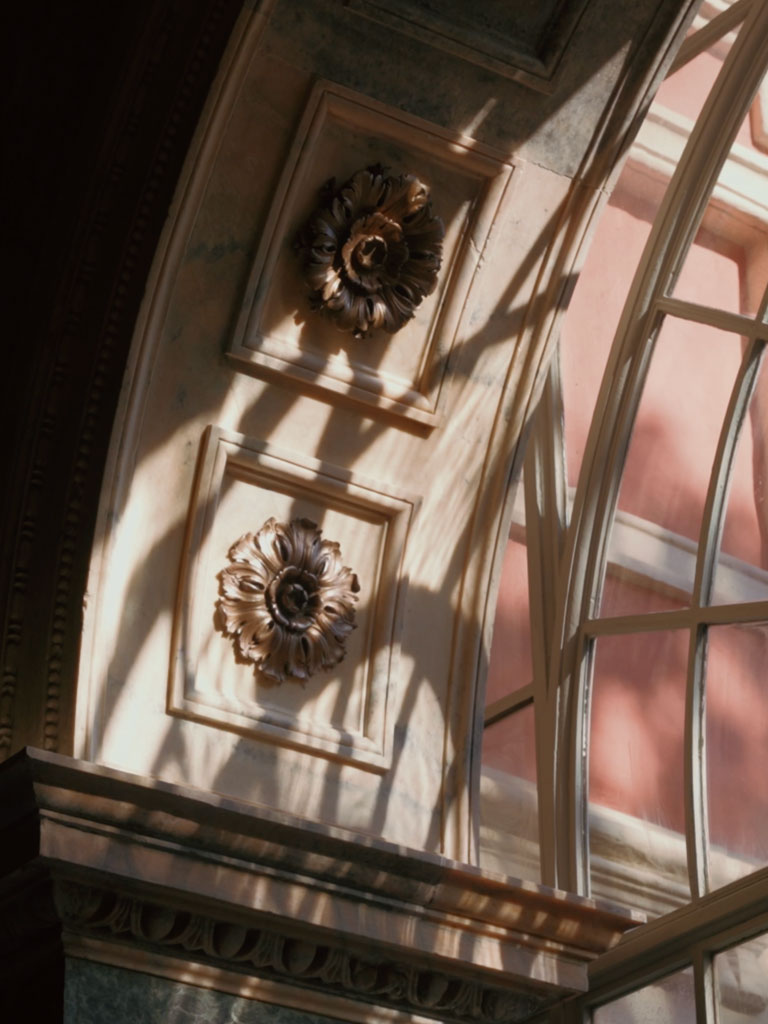
Restoration of the Serlian window
The arch, made mainly of Candoglia and Bardiglio marble, was poorly preserved. Having been covered for decades, it showed patches of saline efflorescence had formed, the main cause of the detachment of some panels, The most characteristic features are the rosettes and inserts in Christofle alloy, the precious material brought especially from France, to which Poldi Pezzoli had additional gilding applied.
Restoration of the mirror
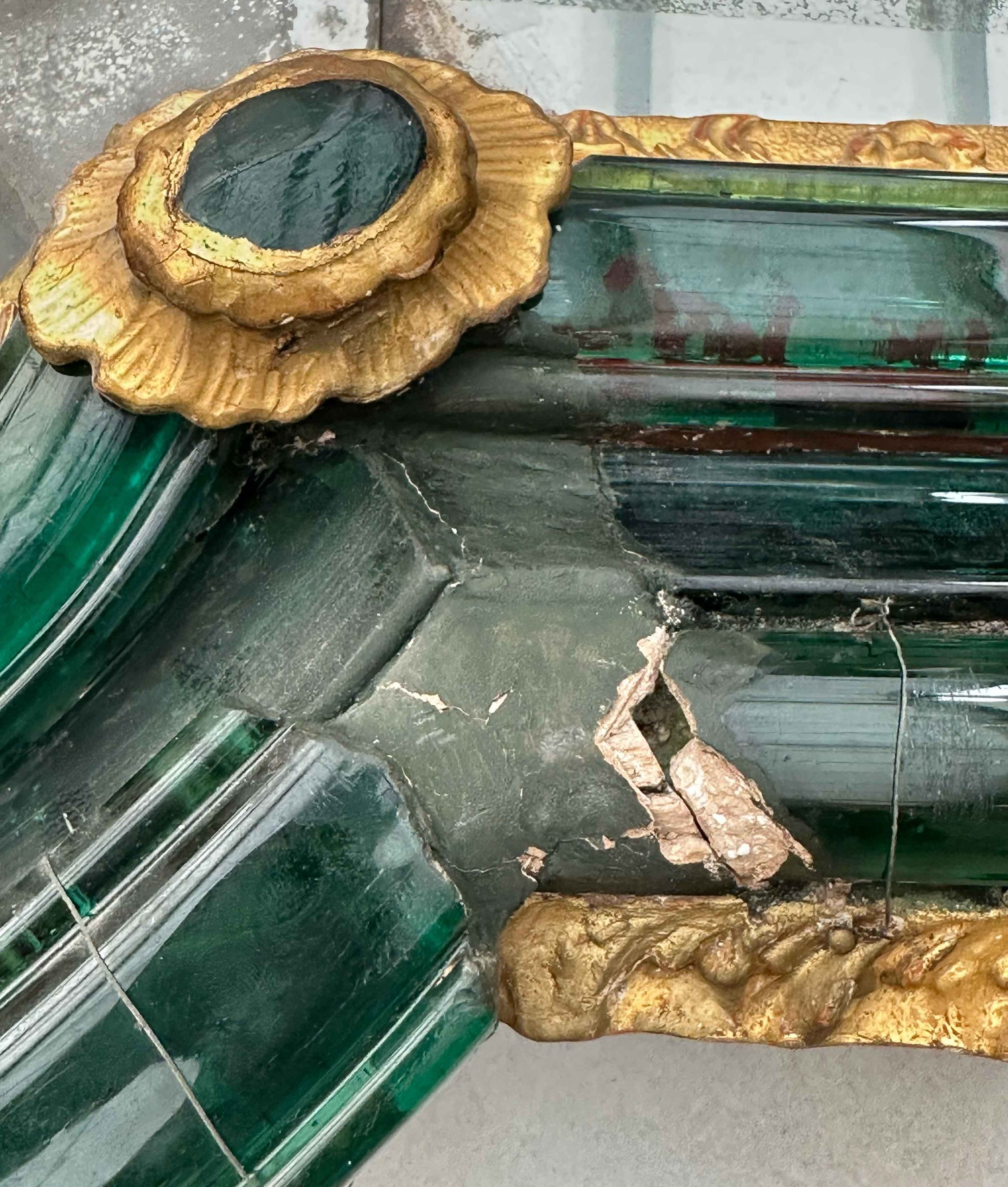
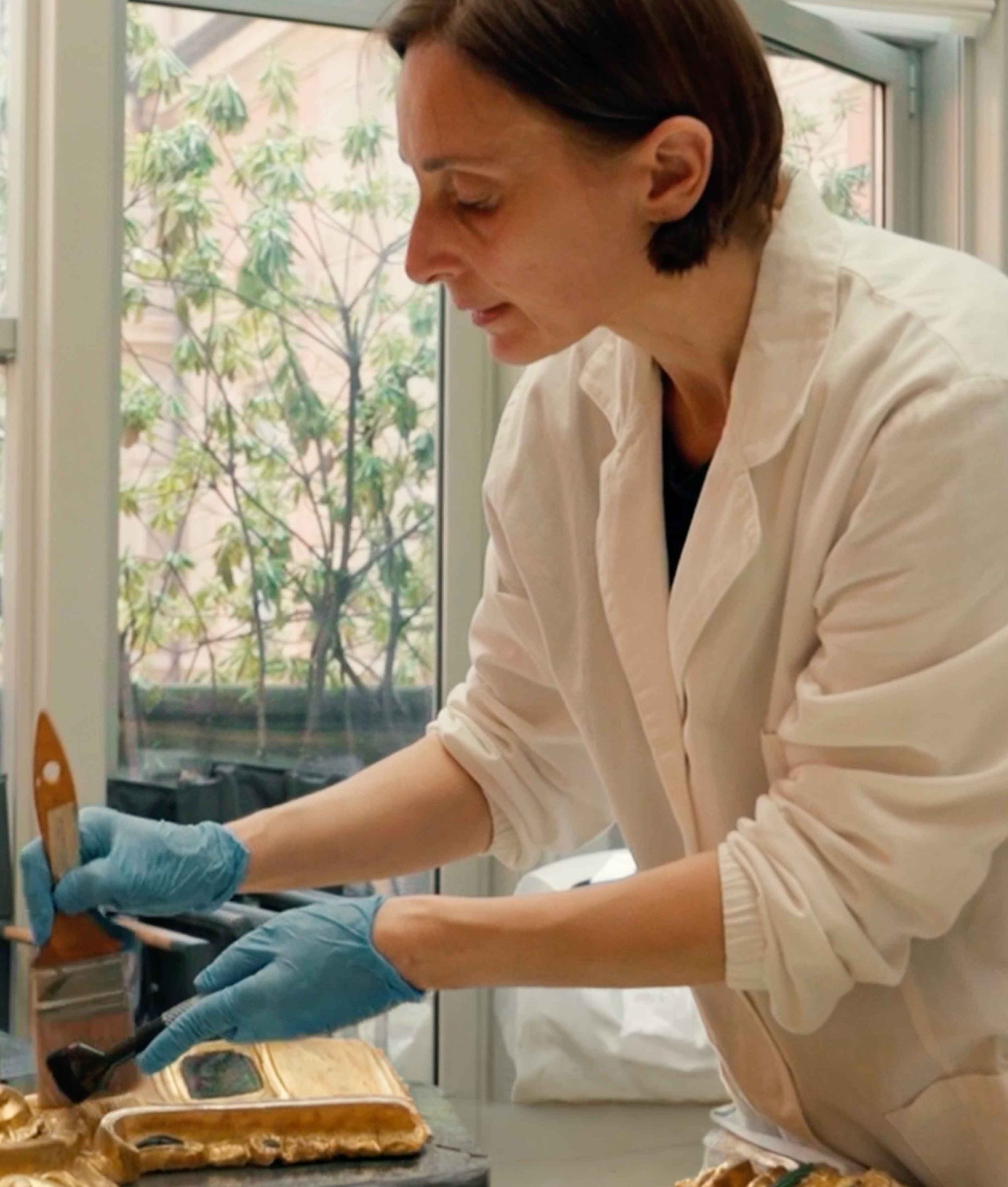
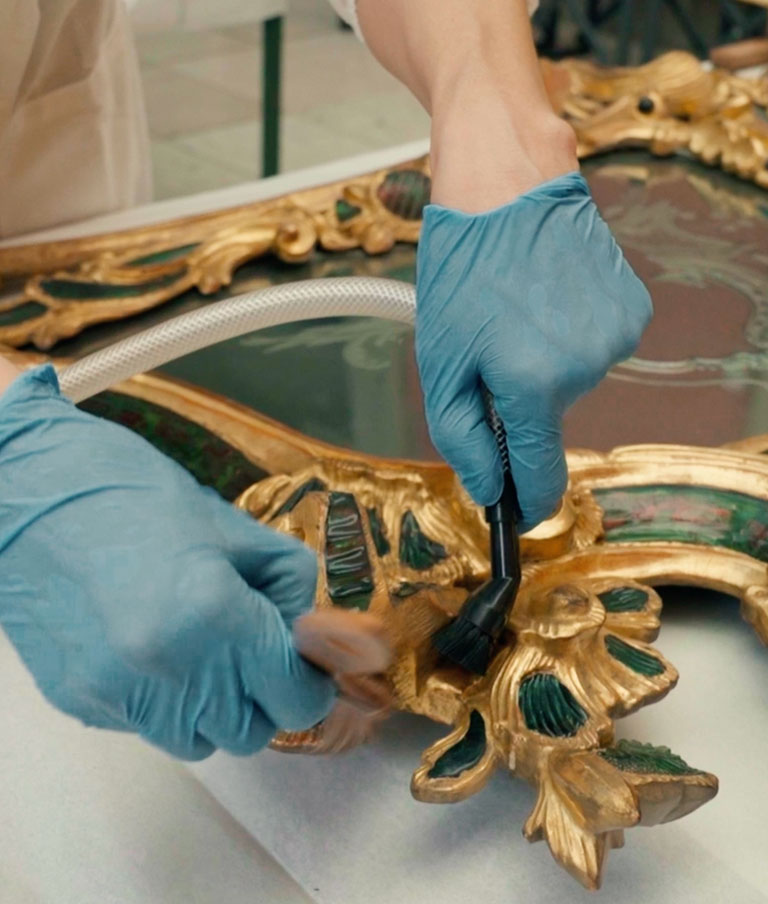
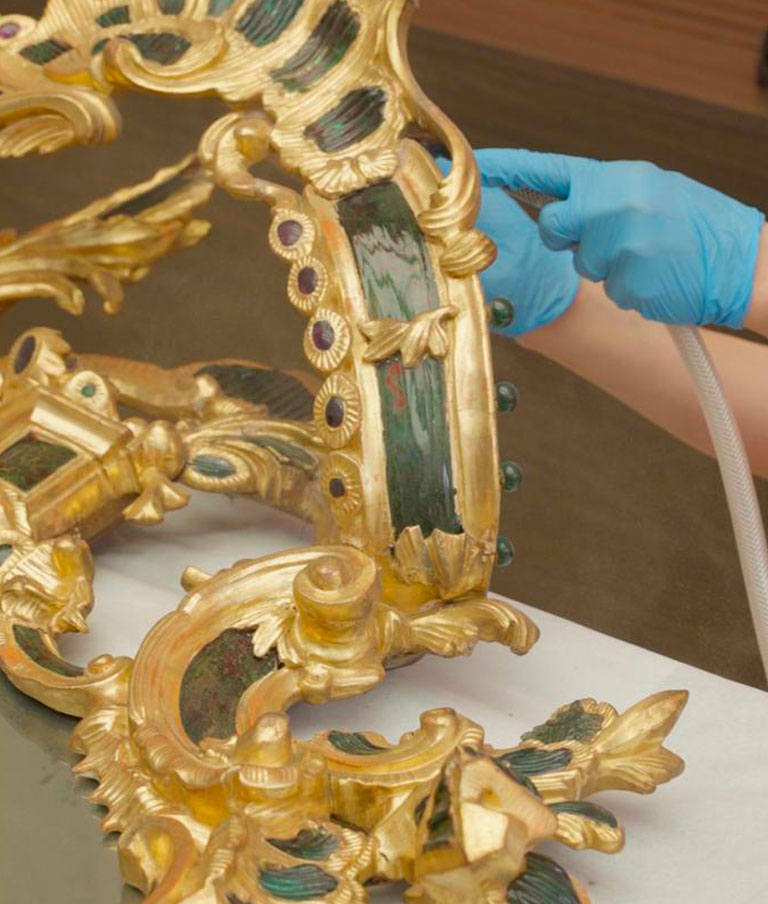
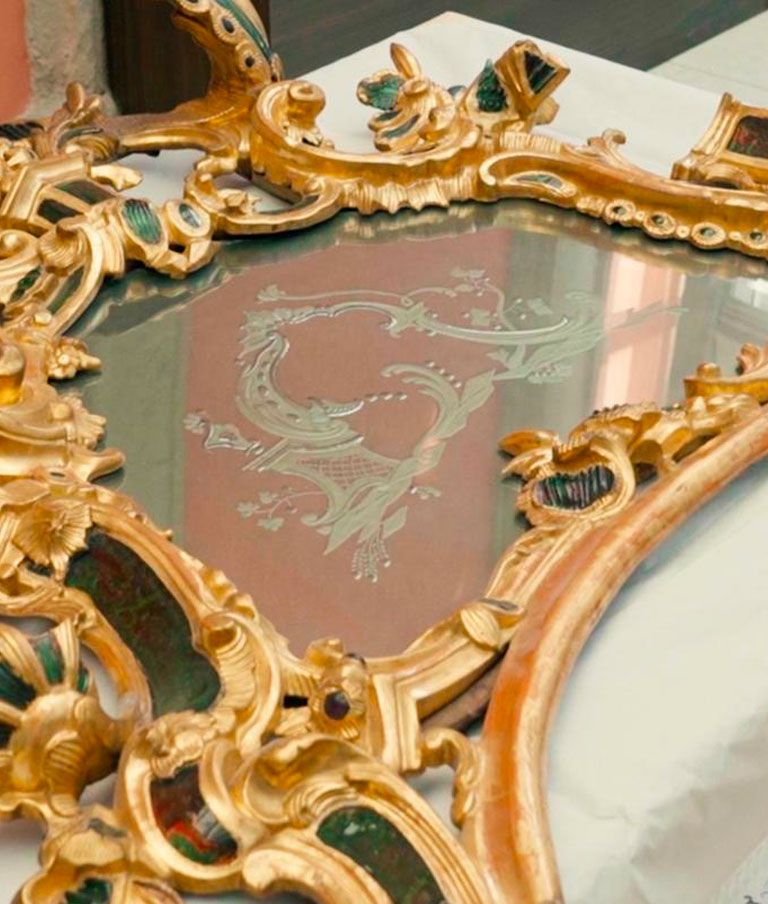
Emiliana Bianchi of Open Care has restored the baroque mirror made of carved and gilded wood. Structurally, there were some cracks in the wooden elements, consolidated with screwed wooden reinforcements; the decorations, however, were well preserved – the gilding had not suffered major alterations.
The problem was a missing section of the glass frame in the main part of the mirror, a gap with a significant aesthetic impact: the missing portion was reconstructed with glass, then gilded, polished and replaced.
Some of the carved elements covering the points of connection of the frame also lacked pieces. They were reconstructed with a silicone rubber cast taken from the original side still intact, filled with plaster, gilded and completed with small glass gems similar in colour and shape to the originals. These elements, in addition to their aesthetic function, have a structural purpose.
The panels for the new ceiling
The removal of the false ceiling made it possible to redesign the ceiling of the room. The 16th-century panels, made by a workshop in Cremona and arrived in the Museum from Palazzo Vimercati in Crema in 1951, have been set in a new arrangement.
Also the two tapestries depicting the Stories of Amadis of Gaul by Françoise Spiering, restored in 2005, are back on show.
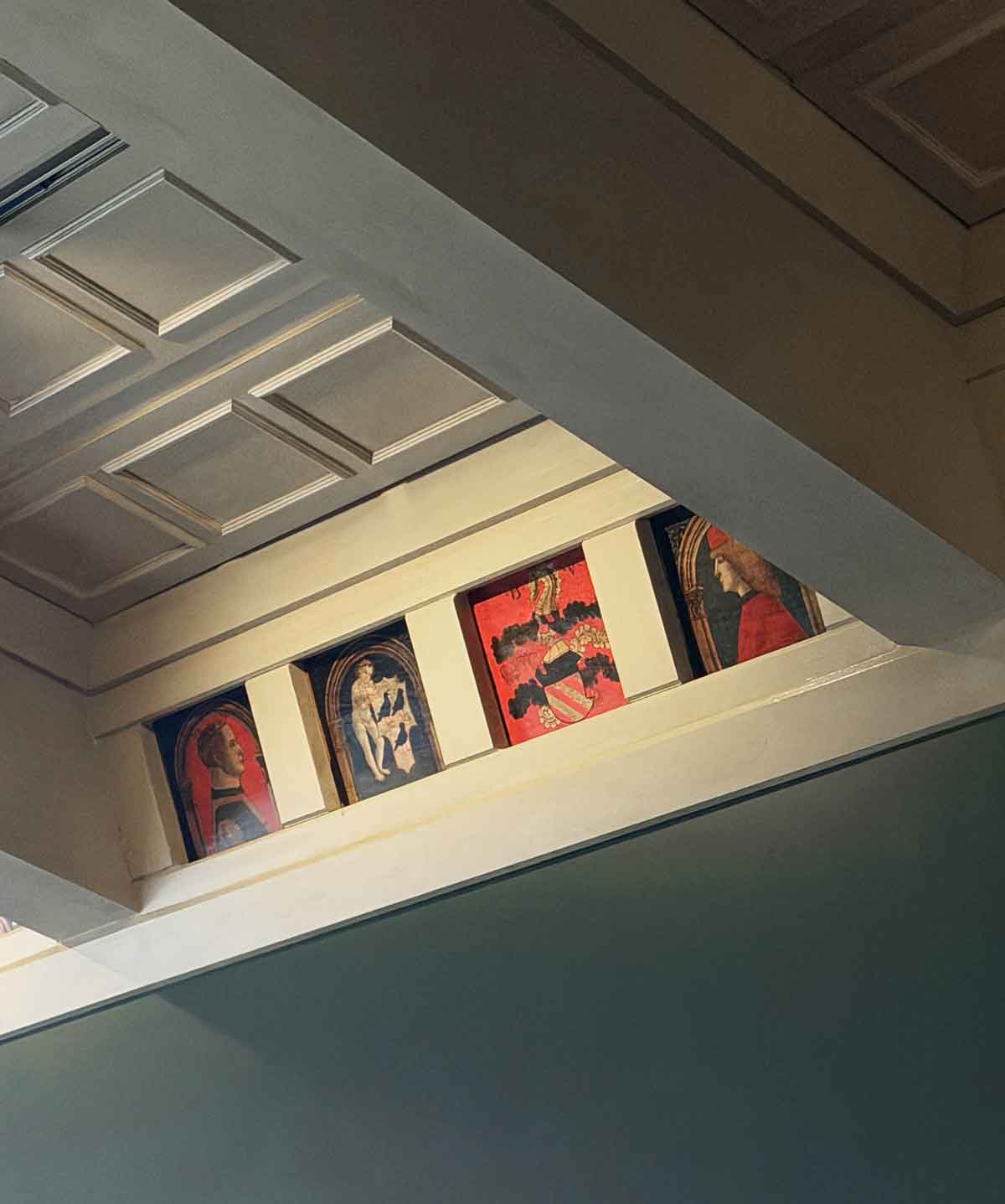
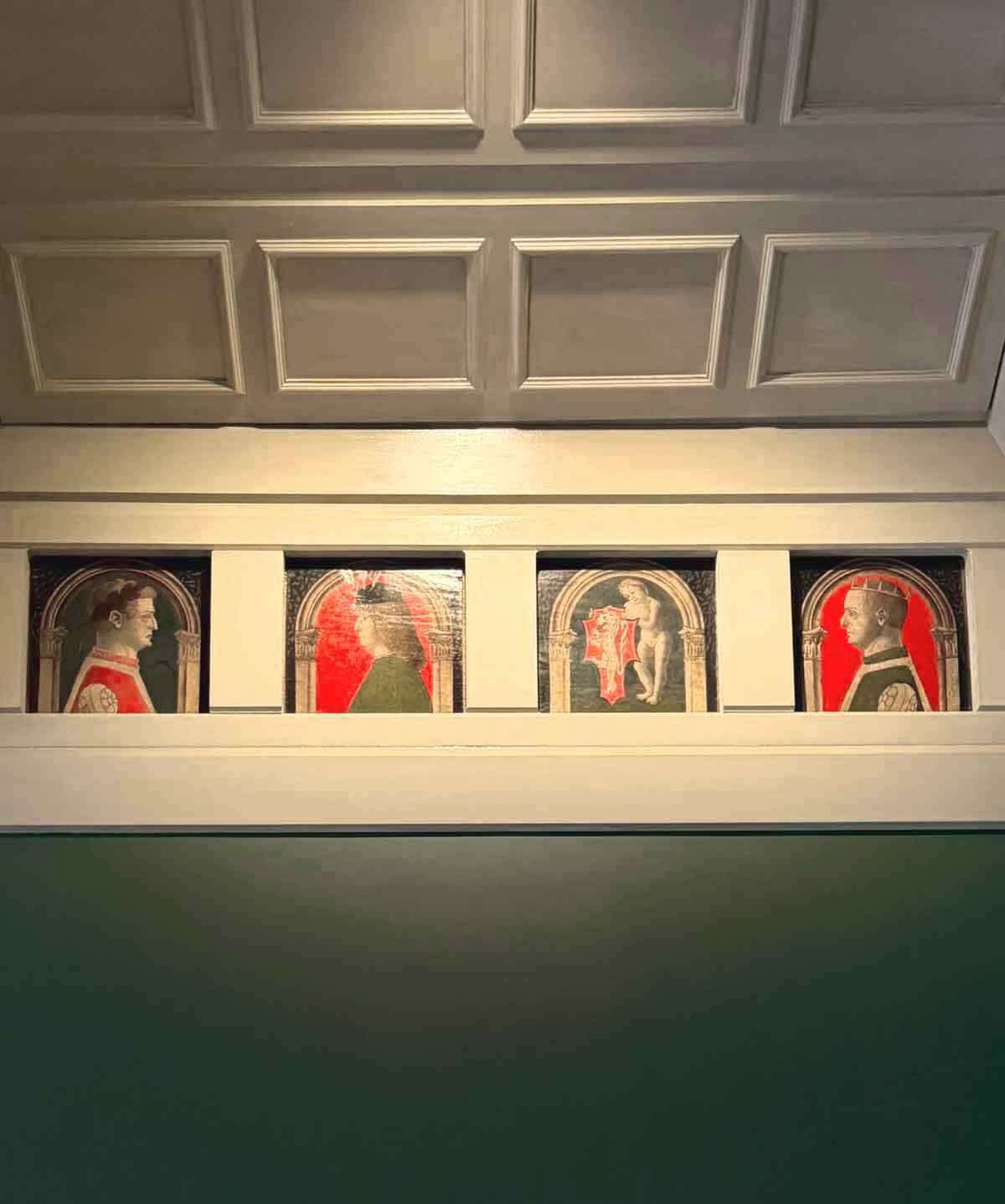
The Golden Room today
There is a coincidence worth to be told. The contract for the serliana, signed by Boni and Pelitti on March 23, 1876, set a precise deadline in Article 9: the work had to be “completely finished and put in place” by 15 September of that year.
It is the same date — 15 September 2026, one hundred and fifty years later — when the new Golden Room reopened to the public.
Today the Golden Room has regained the height and the proportions designed by Giuseppe Bertini and the large marble window, the only element survived since the 19th century, is fully visible again.
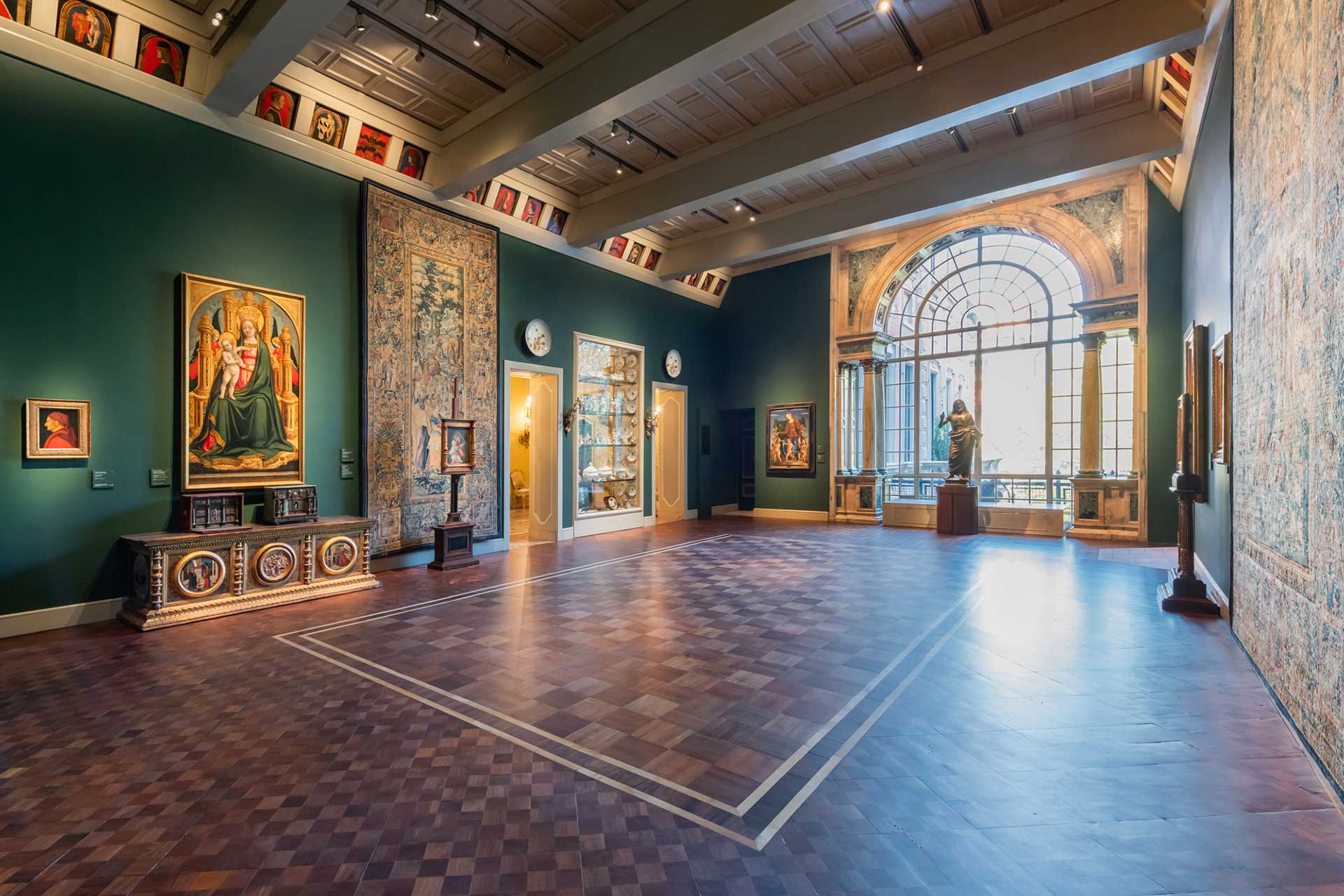
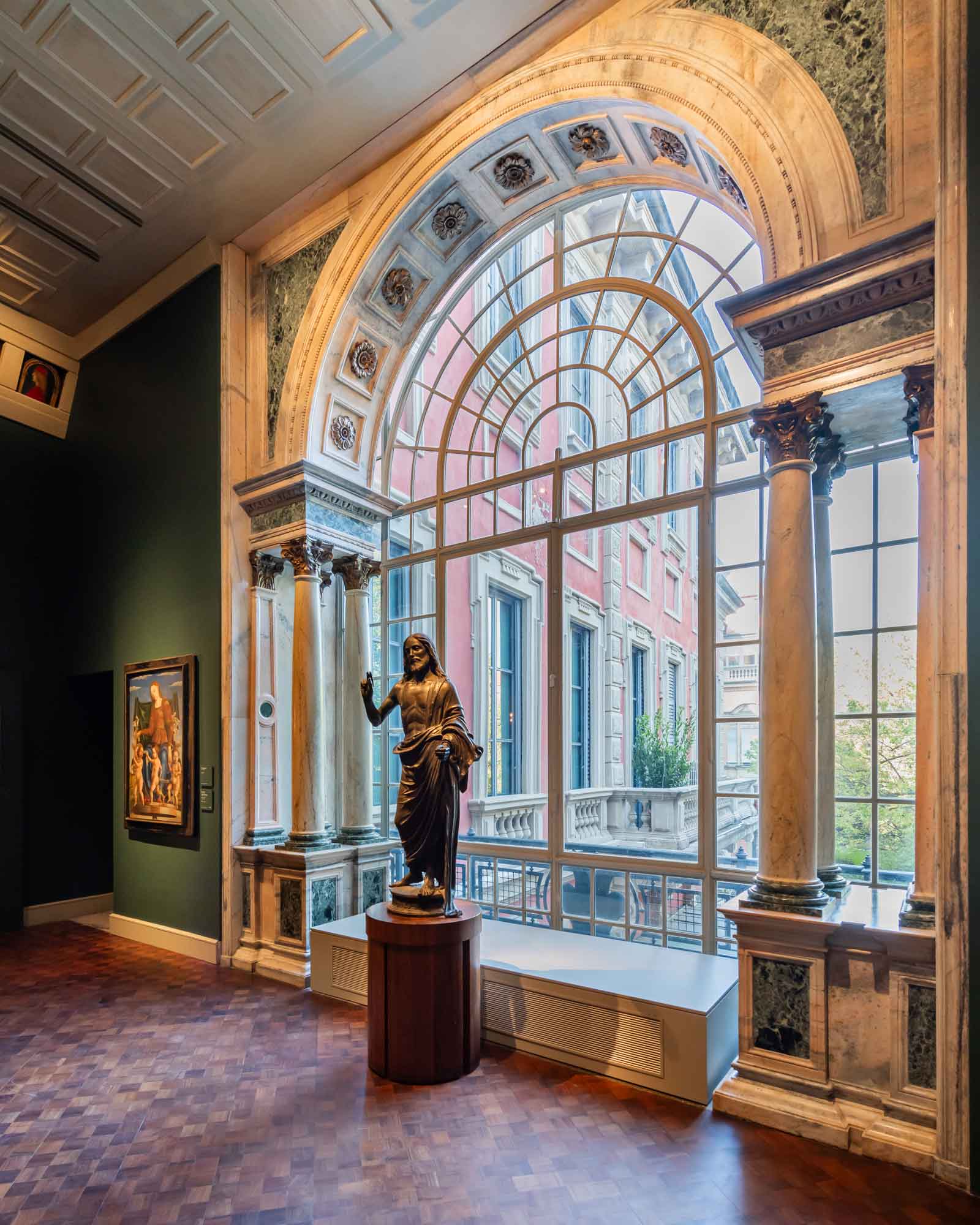
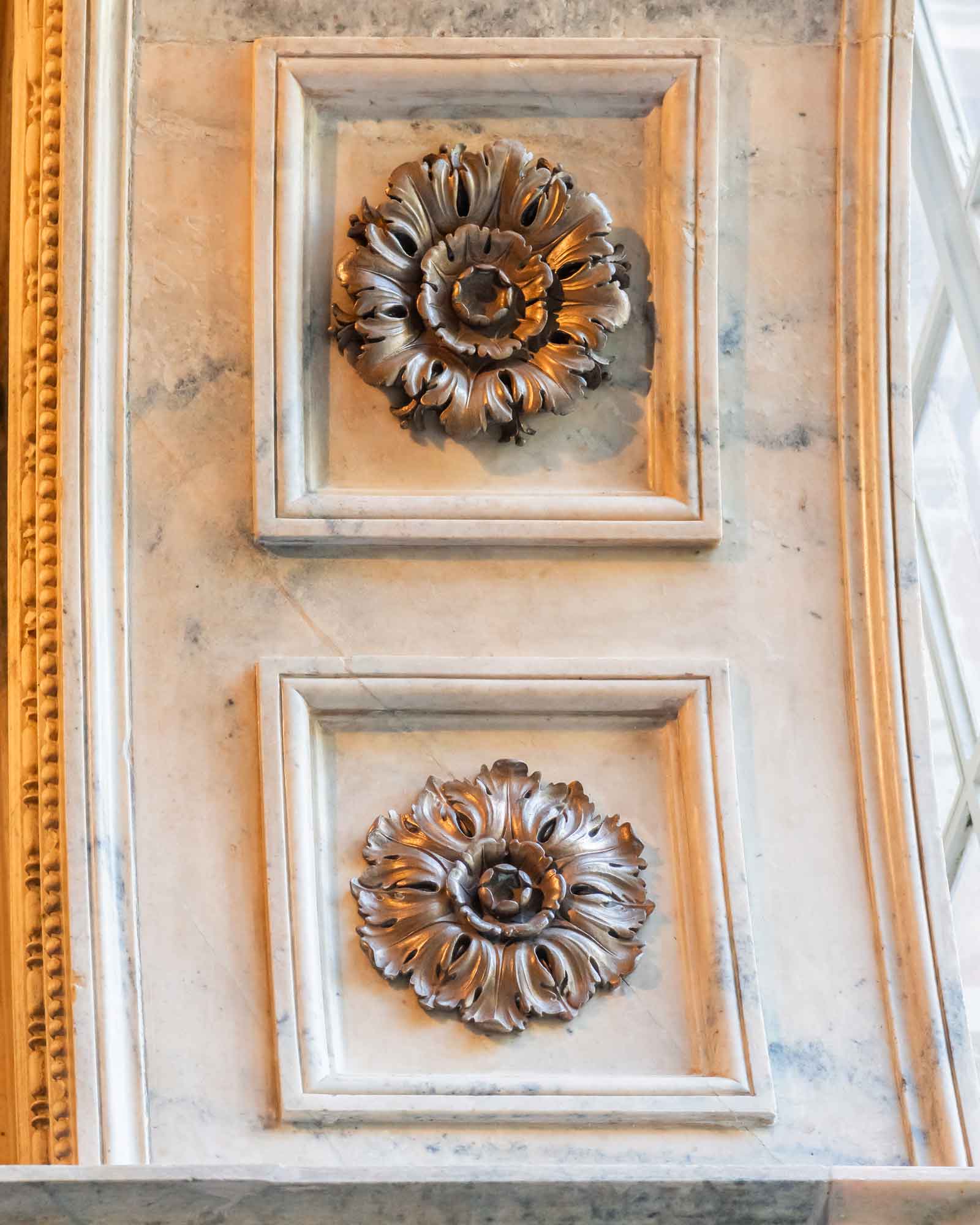
Golden Room, Poldi Pezzoli Museum. September 15, 2026
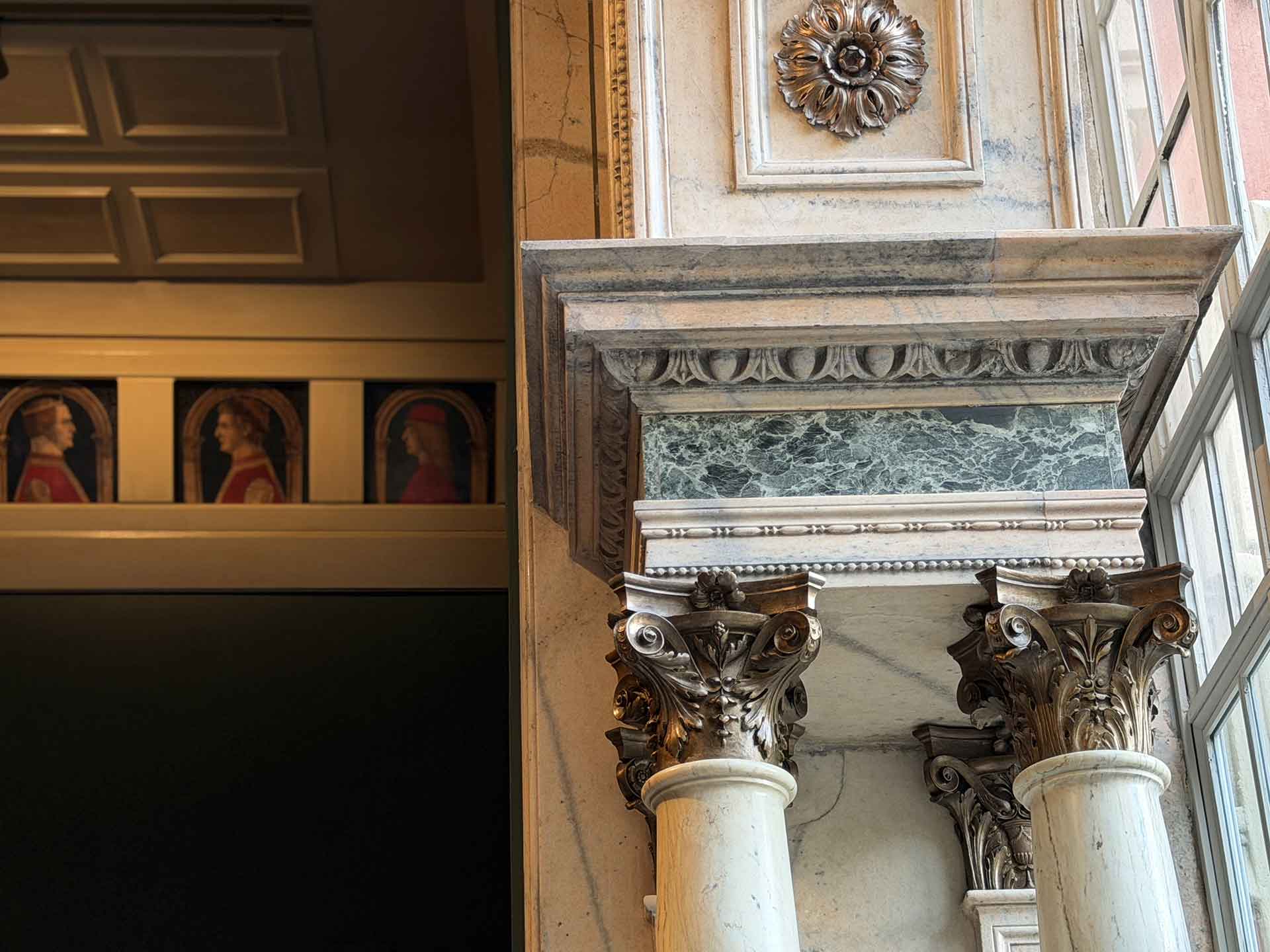
Golden Room, Poldi Pezzoli Museum. September 15, 2026
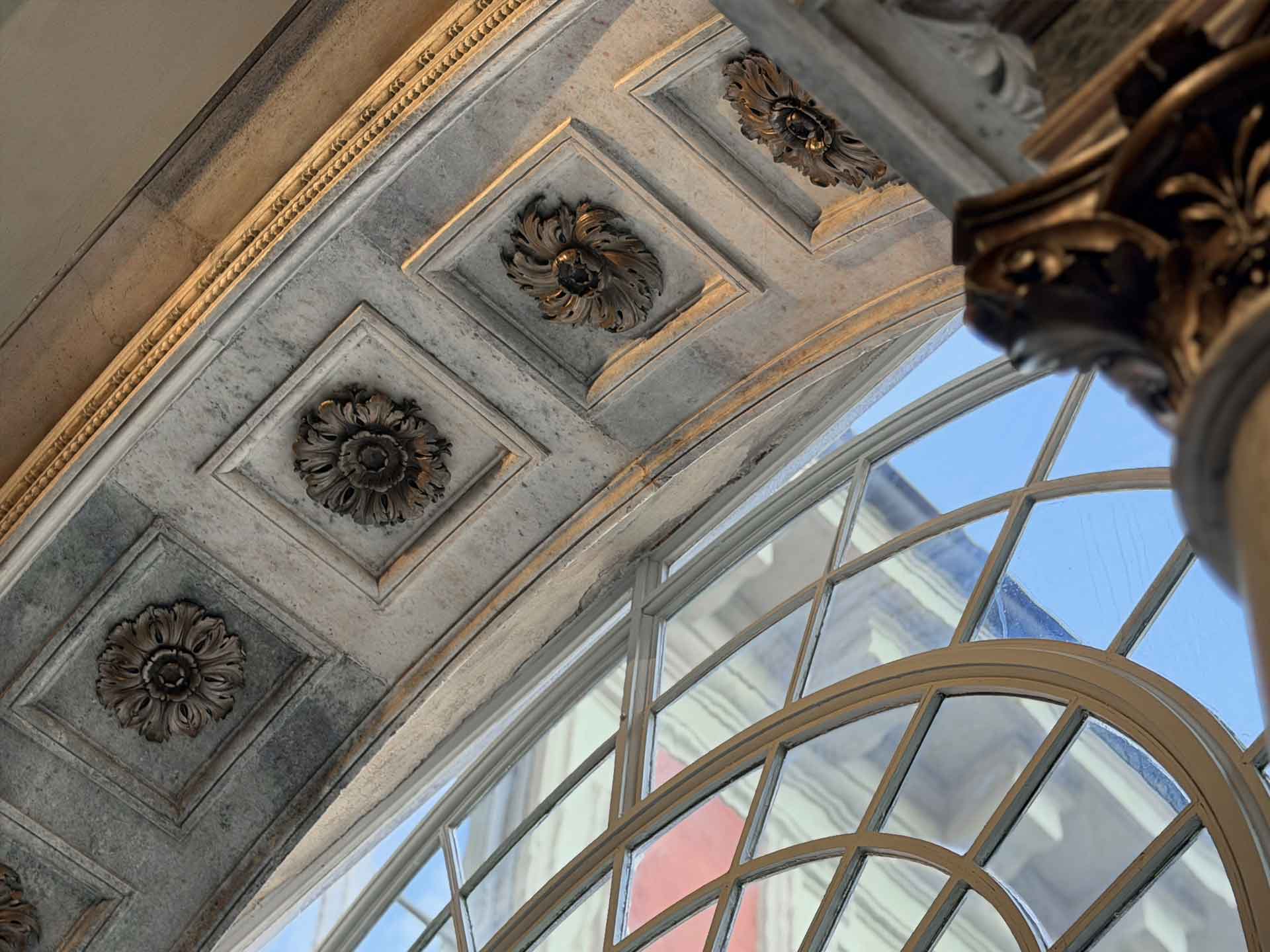
Golden Room, Poldi Pezzoli Museum. September 15, 2026